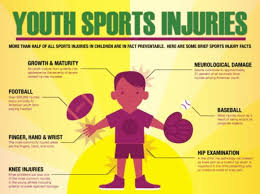
Youth sports injuries are one of the most common reasons parents start searching for answers after practice, games, or training.
Whether it is knee pain, heel pain, ankle pain, shin pain, or a child limping after sports, the hardest part usually is not just the injury itself.
It is knowing what it means — and what to do next.
Should your child rest? Keep playing? Get checked? Or is this something that will likely improve with smart adjustments and time?
This guide is built to help parents understand common youth sports injuries, know what to watch for, and make the right decision early.
🧭 Start Here: Parent Decision Guides
If you are not sure what your child’s pain means, start with these decision guides first:
- When should my child see a doctor?
- Is my child’s injury serious?
- Can you play through this injury?
- When should you stop running or training?
👉 These are usually the decisions that determine whether a small issue improves — or turns into a longer recovery.
🧠 Why Youth Athlete Injuries Are Different
Young athletes are not just smaller versions of adults.
Their bodies are still growing, which means pain may come from overuse, training load, mechanics, growth-related stress, or an injury that needs more attention than it first appears.
That is why a symptom that seems small at first — like heel pain, knee soreness, or a limp after practice — can be easy to brush off until it starts affecting performance, confidence, or normal movement.
The goal is not to panic every time your child complains of pain.
The goal is to know when to monitor, when to modify, and when to get help.
If the injury involves a hit to the head, start here:
Can Heading a Soccer Ball Cause a Concussion?
🧠 Athlete & Parent Perspective
As both an athlete and a parent of a young athlete, this is where most families get stuck.
You do not want to overreact to every complaint of pain — but you also do not want to ignore something that could become a bigger issue.
Most youth sports injuries do not start as major problems. They start small, get pushed through, and then become harder to manage.
The difference is usually timing — recognizing when to adjust and when to act.
Start here if you are trying to decide whether your child’s pain is normal soreness or something more concerning:
- Is My Child’s Injury Serious?
- Growth Plate Injuries in Young Athletes
- When Should My Child See a Doctor?
📍 Common Youth Athlete Injury Areas
The fastest way to narrow things down is to start with where the pain is showing up.
🦵 Knee Pain
Common in basketball, soccer, football, track, and jumping sports.
Explore Knee Injuries →
🦶 Foot, Heel & Ankle
Heel pain, foot pain, ankle sprains, and recurring soreness from training or growth-related stress.
Explore Foot & Ankle Pain →
🏃 Shin, Calf & Lower Leg
Common overuse issues when training load rises faster than recovery.
Explore Lower Leg Pain →
🧍 Lower Back & Core
Back and core pain that affects posture, movement, running form, and confidence.
Explore Back & Core Pain →
🧠 Head Injuries / Concussion
Headache, dizziness, or symptoms after contact that should be taken seriously.
Explore Head Injury Guides →
🚨 Common Parent Questions
Is this normal soreness or an actual injury?
Some soreness is normal after hard effort, a new season, or increased training.
But pain that changes movement, gets worse over time, keeps coming back, or shows up in the same spot repeatedly deserves more attention.
👉 Is this injury serious or soreness?
Can my child keep playing?
If pain is mild, not affecting movement, and improving, rest and monitoring may be enough.
If it is sharp, worsening, or changing how your child runs, jumps, cuts, or lands, it is smarter to be more cautious.
👉 Can you play through this injury?
When should I get help?
If symptoms are lasting, worsening, or affecting how your child moves, early guidance is usually the smarter move.
👉 When should my child see a doctor?
⚠️ Signs a Youth Sports Injury May Need More Attention
- Pain lasting longer than several days
- Limping or altered movement
- Swelling, bruising, or visible instability
- Pain that keeps returning
- Pain that stops normal sport activity
- Sharp or pinpoint pain
👉 These signs do not always mean something severe — but they do mean it is worth paying closer attention.
⚠️ Not Improving?
If your child’s pain is getting worse, lasting, or changing movement, getting clarity early can prevent a longer setback.
👉 Get Answers Now🛠️ What Parents Can Do Right Away
- ✔️ Reduce training load temporarily
- ✔️ Watch for limping or movement changes
- ✔️ Avoid pushing through sharp pain
- ✔️ Use ice after activity if the area is irritated
- ✔️ Check footwear and recent training changes
- ✔️ Look for patterns: during activity, after activity, or the next morning
👉 Early adjustments often prevent a longer setback.
🔁 Why Youth Athlete Injuries Keep Coming Back
Recurring pain usually means something deeper has not been fully addressed.
- Returning too quickly
- Ignoring early warning signs
- Mobility, mechanics, or strength not restored
- Training load still too high
Why Injuries Keep Coming Back
How to Return Safely After Injury
🧰 Tools That Can Help Support Recovery
This page may include affiliate links. We only recommend tools that support recovery and performance.
🦵 Support & Protection
Braces, sleeves, and supports can help protect an injured area and improve stability during activity.
View Support Tools❄️ Pain Relief & Recovery
Cold therapy, massage tools, and other recovery tools may help reduce soreness and improve day-to-day comfort.
View Recovery Tools🏋️ Strength & Mobility
As symptoms improve, rehab and mobility tools can help rebuild strength and reduce the risk of re-injury.
View Rehab Tools🧠 A Smarter Way to Handle Youth Sports Injuries
The goal is not to send every young athlete to a doctor the moment they complain about pain.
The goal is also not to ignore symptoms until they become harder to manage.
The smarter approach is clarity early:
- Understand the pattern
- Watch how it affects movement
- Decide whether to rest, modify, or get help
👉 This is where parents can make the biggest difference.
🧭 Not Sure What to Do With Your Child’s Injury?
SportsTeleDoc provides educational guidance and connects users to care options. We do not diagnose or treat medical conditions.
Leave a Reply