
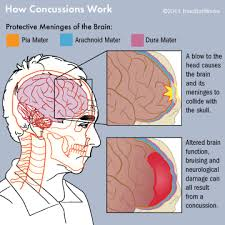
Yes—heading a soccer ball can contribute to a concussion, but it’s usually not the main cause.
Most concussions in soccer happen from collisions with other players, elbows, or the ground, not from a single, well-executed header. That said, repeated headers, poor technique, or unexpected impact can increase risk—especially in younger athletes.
If you or your child recently took a hit to the head and aren’t sure what it means, this guide will help you understand when it’s safe, when it’s concerning, and what to do next.
⚽ What Happens When You Head a Soccer Ball?
Heading the ball involves using your forehead to redirect it during play. When done correctly:
- The neck muscles are engaged
- The head and body move together
- The impact is controlled and brief
In these situations, the risk of concussion is relatively low.
However, risk increases when:
- The ball hits unexpectedly
- Technique is poor or untrained
- The neck is not stabilized
- There are repeated impacts over time
⚠️ When Heading the Ball Can Be Risky
While a single header is rarely the sole cause of a concussion, certain situations significantly increase risk:
- Head-to-head collisions
- Elbow-to-head contact
- Falling and hitting the ground
- High-speed balls (corner kicks, long clears)
- Repeated headers in a short period
In youth sports, risk is higher because:
- Neck strength is still developing
- Technique may be inconsistent
- Awareness and reaction time are still improving
🧠 Signs of a Possible Concussion
If you or your child experienced a head impact, watch closely for symptoms:
- Headache or pressure in the head
- Dizziness or balance problems
- Confusion or difficulty concentrating
- Nausea or vomiting
- Sensitivity to light or noise
- Feeling “foggy” or slowed down
Symptoms may appear immediately or develop over several hours.
If you’re unsure whether symptoms are serious, review: When Should I See a Doctor for a Sports Injury?
Not sure if your symptoms are a concussion or just a headache? 👉 Learn how to tell the difference here
🚨 When You Should Get Medical Help
Seek medical evaluation right away if:
- Symptoms are getting worse
- There is repeated vomiting
- The athlete appears confused or disoriented
- There was any loss of consciousness
- Balance or coordination is significantly affected
If you’re unsure, it’s always safer to get checked.
⚠️ Not Sure If This Is Serious?
If your symptoms are not improving, getting worse, or affecting how you move, it may be time to get a professional opinion.
- ✔ Understand what’s causing your pain
- ✔ Know if you can safely keep playing
- ✔ Get a clear plan for recovery
⏱ Can You Keep Playing After a Head Impact?
No—if a concussion is suspected, the athlete should not continue playing.
Returning too soon increases the risk of further injury and can delay recovery.
If you’re unsure whether it’s safe to continue, read: Can I Play Through This Injury or Should I Rest?
If you’re dealing with symptoms already: Can I Play After a Concussion?
🧭 What Most People Get Wrong About Headers and Concussions
Many people assume:
“Heading the ball always causes concussions.”
In reality:
- Most concussions come from collisions—not controlled headers
- Proper technique reduces risk
- Youth athletes are more vulnerable than adults
Still, any head impact should be taken seriously.
If you’re unsure what your symptoms mean or what to do next, you can talk to a provider here.
🛠 Tools That Can Help Support Recovery
After a head impact, recovery—not performance—should be the focus.
❄️ Pain Relief & Recovery
Cold therapy may help with discomfort following impact.
View Recovery Tools😴 Rest & Recovery Environment
A calm, low-stimulation environment can support healing.
View Support Tools🧠 The Mental Side of Head Injuries
Head injuries can be stressful—for both athletes and parents. Uncertainty about symptoms, recovery time, and return to play can create anxiety.
If the mental side of recovery is becoming difficult, support is available.
👉 Talk to a Mental Health Provider🏥 Not Sure If It’s a Concussion? Start Here
If you’re unsure whether a head impact caused a concussion, the safest next step is to speak with a provider.
A medical professional can:
- Evaluate symptoms
- Recommend rest or further testing
- Guide a safe return to play
⚽ Athlete & Parent Perspective
As a former athlete and now a parent of daughters who have played soccer, this is one situation that always stood out to me.
Heading the ball is a normal part of the game, and most of the time it’s not an issue. But I’ve seen moments where a header, a collision, or even an awkward fall leads to symptoms that are easy to brush off at first.
From an athlete’s perspective, the instinct is to keep playing. From a parent’s perspective, you’re trying to quickly decide if it’s something minor or something more serious—often without clear information in the moment.
Head injuries are different. It’s not just about pain tolerance or pushing through—it’s about protecting your brain.
What I’ve learned is that symptoms don’t always show up right away. What seems fine during the game can change later that day or the next morning.
If there’s any doubt after a header, collision, or fall, it’s always safer to step out, monitor symptoms, and get guidance if needed.
The goal isn’t just staying in the game—it’s making sure they can safely keep playing long term.
👉 Get Help NowSportsTeleDoc connects you with trusted care options and does not provide medical diagnosis or treatment.
Leave a Reply