
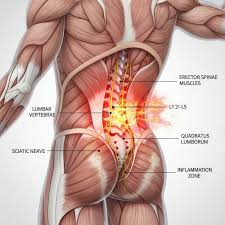
Lower Back & Core Pain in Athletes: Causes, Recovery, and What to Do Next

Not sure what your injury means or what to do next?

Use our step-by-step guidance or talk to a provider to get clear next steps.

👉 Get Help Now

Lower back and core pain in athletes is one of the most common issues during running, training, and sports.

This type of pain can show up during activity, after workouts, or while sitting — and often starts as mild discomfort before turning into something that affects performance.

In this guide, you’ll learn:

  • Common causes of lower back and core pain
  • What your symptoms likely mean
  • When you can keep training
  • When you should stop or get help

👉 The hardest part isn’t just the pain — it’s knowing what it means and what to do next.

Should you keep training? Modify activity? Or is this something you shouldn’t ignore?

👉 This guide helps you understand lower back and core pain, what’s causing it, and how to make the right decision early.

🧭 Not sure what to do with your back or core pain?


🧠 From Experience

Lower back and core issues are often misunderstood because they don’t always come from one clear moment.

They build over time — from training, movement patterns, tightness, or compensation from other injuries.

As an athlete, you often try to push through it.

As a parent, you see the same pattern — uncertainty about whether to rest, keep going, or get help.

👉 That’s why this system exists — to help you make the right call before it becomes a bigger issue.


🔍 Start Here: Understand Your Situation

These decisions determine whether back pain improves — or keeps coming back.

👉 If this pain is happening in a young athlete, parents can start here for youth-specific guidance:

Youth Sports Injuries Guide

Is my child’s injury serious?


📍 Where Does Your Pain Show Up?

🧍 Lower Back Pain During Running

Pain during running often relates to load, posture, fatigue, or movement patterns.

👉 Lower back pain when running

👉 Many athletes also experience related lower body issues: Lower Body Running Injuries Guide

🪑 Lower Back Pain When Sitting

Pain while sitting can point to stiffness, posture issues, or core weakness.

👉 Lower back pain when sitting

🏃 Lower Back Pain From Sports

Sports-related back pain often involves impact, rotation, or repeated movement.

👉 Lower back pain from sports

💪 Core / Abdominal / Oblique Pain

Core strains can affect performance and stability — especially during rotation or explosive movement.

👉 Abdominal & oblique strain


🏃 Common Causes of Lower Back & Core Pain

  • Overuse and repetitive stress
  • Poor movement patterns or mechanics
  • Weak or fatigued core muscles
  • Tight hips or hamstrings
  • Sudden increase in training load
  • Compensation from other injuries (knee, hip, etc.)

👉 In many athletes, back pain is part of a chain — not just one isolated issue.

👉 Related issues:


🚨 When It’s Likely Minor vs More Concerning

🟢 Often More Manageable

  • Mild soreness or tightness
  • Improves with movement
  • No sharp pain
  • No major limitation

🔴 More Concerning

  • Sharp or persistent pain
  • Pain that limits movement
  • Pain that is getting worse
  • Pain that does not improve with rest

👉 Is this serious or soreness?


🏃 Can You Keep Training?

This is one of the biggest decision points.

You may continue if:

  • Pain is mild
  • It does not affect your movement
  • It improves as you warm up

You should stop or modify if:

  • Pain is sharp or worsening
  • Movement feels limited
  • Pain lingers after activity

👉 Can you play through injury?


⏱️ How Long Does It Take to Recover?

  • Mild irritation: days to 1–2 weeks
  • Moderate issues: 2–4 weeks
  • More significant injuries: several weeks

👉 Return to running after injury


🛠️ What You Can Do Right Now

  • Reduce load or intensity
  • Avoid movements that trigger sharp pain
  • Improve mobility (hips, hamstrings)
  • Focus on core strength and control

👉 Early adjustment helps prevent longer recovery.


🧰 Tools That Can Help Support Recovery


🔁 Why Back & Core Pain Keeps Coming Back

  • Returning too quickly
  • Ignoring early warning signs
  • Weakness or mobility not addressed
  • Compensation from other areas

👉 Why injuries keep coming back


❗ When Should You See a Doctor?

  • Pain lasts longer than 1–2 weeks
  • Pain is getting worse
  • Pain limits normal movement

👉 When to see a doctor


🧭 Not Sure What to Do Next?


🚀 Not Sure What to Do With Your Back Pain?

If your pain isn’t improving — or you’re unsure whether to rest, keep training, or get help — start here:


Recommended Tools for Common Sports Injuries

Depending on the injury, the right support tools can help reduce pain, improve comfort, and support recovery. Below are some common categories athletes often use during recovery.

Support & Protection

Braces, sleeves, and supports can help protect an injured area and improve stability during activity.

View Support Tools

Pain Relief & Recovery

Cold therapy, massage tools, and other recovery devices may help reduce soreness and improve day-to-day comfort.

View Recovery Tools

Strength & Mobility

As symptoms improve, rehab and mobility tools can help rebuild strength and reduce the risk of re-injury.

View Rehab Tools

Need more help deciding what to do next? Talk to a provider here.


Comments

Leave a Reply

Your email address will not be published. Required fields are marked *