
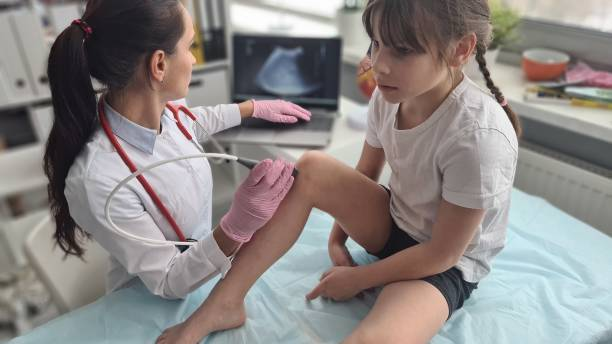
If you’re a parent of an athlete, you’ve probably been here:
Your child says something hurts… but they still want to play.
👉 The hard part is knowing:
Is this something they can push through — or something you shouldn’t ignore?
From experience, this hits differently as a parent.
👍 When It’s Likely Minor
Some injuries are part of sports.
You can usually monitor if:
- soreness improves in a few days
- no swelling or instability
- they can move normally
⚠️ When to Pay Attention
Watch closely if:
- pain isn’t improving
- they’re limping or adjusting movement
- pain comes back repeatedly
🩺 When to See a Doctor
You should get it checked if:
- swelling is present
- they can’t bear weight
- pain is sharp or worsening
- symptoms last more than 1–2 weeks
👉 This is where understanding when to see a doctor for a sports injury matters.
🧠 The Parent Challenge
From experience, the hardest part is:
- not overreacting
- but not missing something important
Head injuries can be harder to recognize. Learn more here: Can Heading a Soccer Ball Cause a Concussion?
What You Can Do
- monitor symptoms
- reduce activity
- don’t push through worsening pain
💡 A Smarter First Step
Before jumping to appointments:
👉 Explore injury guides → /blog
Or get clarity:
👉 Explore more injury guides: Find Your Injury
👉 If you’re unsure whether to take the next step, telehealth can help you decide what your child needs.
Tools That May Help Support Recovery at Home
If your child’s injury appears mild and you are monitoring symptoms closely, a few simple tools may help improve comfort and support recovery.
Comfort & Support
Braces, wraps, or supportive sleeves may help protect the area and reduce irritation during daily activity.
View Support OptionsCold & Recovery Tools
Cold therapy and other recovery tools may help manage soreness and swelling in the early phase.
View Recovery ToolsGentle Rehab Tools
As pain improves, simple mobility and strengthening tools may help support a safe return to activity.
View Rehab ToolsImportant: If pain is severe, swelling is significant, your child cannot use the injured area, or you are worried about a fracture or growth plate injury, talk to a provider.
🧠 Support for Worried Athletes and Parents
Injuries can create stress for both athletes and parents—especially when you are unsure how serious the injury is or what to do next.
If the stress around injury and recovery is becoming overwhelming, talking to a licensed mental health provider may help.
👉 Talk to a Mental Health Provider👉 Talk to a provider about your injury → /get-help
External Reference
According to the American Academy of Pediatrics, early evaluation helps prevent long-term injury in young athletes.
Related Guides
Final Thoughts
Most injuries aren’t serious — but knowing which ones are makes all the difference.
As a parent, getting clarity early can protect both recovery and confidence.
Leave a Reply