
If you’ve had a concussion, one of the biggest questions is when—or if—you can safely return to play.
This is not a situation where you want to guess. Returning too early can increase the risk of more serious injury and longer recovery.
This guide will help you understand when it’s safe to return—and when you should wait.
👉 Do I Have a Concussion or Just a Headache?
🧠 Why You Should Be Careful Returning Too Soon
A concussion is a brain injury. Even if symptoms feel mild, your brain needs time to recover.
Returning too early can:
- Increase the risk of another concussion
- Slow down recovery
- Lead to more serious complications
This is one injury where patience matters.
⚠️ Signs You Are NOT Ready to Play
- Headache that hasn’t gone away
- Dizziness or balance issues
- Sensitivity to light or noise
- Difficulty concentrating
- Feeling “off” or not like yourself
If any of these symptoms are still present, you should not return to play.
⚠️ Not Sure If You’re Ready?
If symptoms are lingering or unclear, getting medical guidance is the safest move.
👉 Get Answers Now🏃 When It May Be Safe to Return
You may be ready to return when:
- All symptoms have completely resolved
- You can exercise without symptoms returning
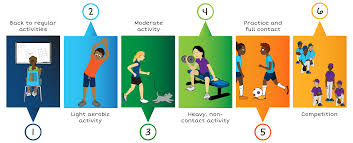
- You’ve progressed gradually through activity levels
Return to play should always be gradual—not immediate.
If you’re wondering how long recovery takes: Concussion Recovery Timeline
🛑 Why You Shouldn’t Rush It
One of the biggest mistakes athletes make is returning too early because they “feel fine.”
But concussion symptoms can come back with exertion—and ignoring them increases risk.
This is especially important for younger athletes.
🚨 When to See a Doctor
- Symptoms last more than a few days
- Symptoms worsen
- You’re unsure about returning to play
👉 When Should I See a Doctor for a Concussion?
🛠 What You Can Do Right Now
- Rest from sports and activity
- Avoid screen time if symptoms worsen
- Monitor symptoms daily
Recovery is about giving your brain time—not pushing through.
🧠 Athlete & Parent Perspective
As a former athlete and now a parent, this is one of the toughest situations to navigate.
As an athlete, you want to get back out there as soon as possible. You may feel fine and think you’re ready. But with concussions, how you feel in the moment doesn’t always tell the full story.
As a parent, it’s even harder. You’re trying to protect your child while also trusting what they’re telling you—and it’s not always clear what the right call is.
What I’ve learned is that this is one area where being cautious is the right move.
The goal isn’t just getting back in the game—it’s protecting long-term health.
Leave a Reply