
Knee pain is one of the most common sports injuries—but not every case needs an MRI.
If you’re dealing with pain, swelling, or instability, you may be wondering if imaging is the next step or if you can manage it without it.
This guide will help you understand when an MRI is necessary, when it’s not, and what to do next so you don’t waste time—or risk making your injury worse.
If you’re dealing with knee pain during activity, start with our full guide: Knee Pain When Running to understand common causes and next steps.
🧠 What Does an MRI Actually Show?
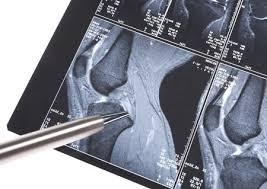
An MRI (Magnetic Resonance Imaging) provides a detailed look at the soft tissues in your knee, including:
- Ligaments (ACL, MCL, PCL)
- Meniscus (cartilage)
- Tendons
- Muscles
- Joint swelling and inflammation
Unlike X-rays, MRIs are used to detect soft tissue injuries rather than fractures.
❌ When You Probably DON’T Need an MRI
Most knee pain does not require immediate imaging.
You likely don’t need an MRI if:
- Pain started gradually (overuse)
- You can still walk and bear weight
- There is minimal swelling
- Your knee feels stable
- Symptoms are improving over a few days
Common examples include:
- Runner’s knee
- Mild tendon irritation
- Muscle soreness
In these cases, rest, activity modification, and simple recovery strategies are usually enough.
👉 You can also review our full guide: Knee Pain When Running
⚠️ When You MIGHT Need an MRI
An MRI becomes more useful when symptoms suggest a more significant injury.
You may need further evaluation if you have:
- Persistent pain that is not improving
- Swelling that keeps coming back
- Clicking, locking, or catching in the knee
- Reduced range of motion
- Difficulty returning to sport
These symptoms could indicate:
- Meniscus tear
- Ligament injury
- Cartilage damage
🚨 When You SHOULD Consider Imaging or Medical Evaluation
Some symptoms should not be ignored.
- Your knee gives out or feels unstable
- You heard a “pop” at the time of injury
- You cannot fully straighten or bend your knee
- Severe swelling developed quickly
- You cannot bear weight
In these situations, you should speak with a medical provider. They can determine if an MRI—or another test—is needed.
👉 Learn more here: When Should I See a Doctor?
🧭 What Most People Get Wrong About MRIs
Many athletes assume:
“More imaging = better care”
But in reality:
- MRIs are not always needed early
- They don’t replace a physical exam
- They can delay treatment if overused
In many cases, a provider will recommend:
- Initial rest and rehab
- Re-evaluation after 1–2 weeks
- Imaging only if symptoms persist
Still unsure whether to push through or rest? This guide can help: Can I Play Through This Injury or Should I Rest?
Waiting on answers can be mentally exhausting. If injury uncertainty is starting to affect your stress, confidence, or motivation, support may help. Talk to a mental health provider here.
🛠 Tools That Can Help Support Recovery
These tools can help reduce pain, support the injured area, and improve recovery. Always use them based on your symptoms and comfort level.
🦵 Support & Stability
A brace or support can help protect the injured area and allow you to stay active safely.
View Support Options❄️ Pain Relief & Recovery
Recovery tools like cold therapy, massage, or light therapy can help reduce inflammation and pain.
View Recovery Tools🏋️ Strength & Rehab
Once pain improves, strengthening tools can help rebuild stability and prevent re-injury.
View Rehab Tools🏥 Not Sure If You Need an MRI? Start Here
If you’re unsure whether your knee pain requires imaging, the best first step is to talk to a provider.
A medical professional can:
- Evaluate your symptoms
- Determine if imaging is necessary
- Guide your recovery plan
SportsTeleDoc connects you with trusted care options. We are not a medical provider.
Leave a Reply