
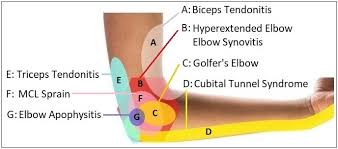
Elbow pain after throwing is common—but the key question is whether it’s normal soreness or something that could get worse if you keep throwing.
If your elbow hurts after throwing, this guide will help you understand why it’s happening, whether you can continue, and when you should get help.
Can You Keep Throwing With Elbow Pain?
- ✔ Mild soreness that improves with rest → you may be able to continue
- ⚠️ Pain that worsens with throwing → reduce or stop
- 🚨 Sharp pain, loss of velocity, or instability → stop throwing
Why Your Elbow Hurts After Throwing
Elbow pain after throwing is usually caused by stress on the structures inside and around the joint.
- Overuse: Repeated throwing without enough recovery
- Tendon irritation: Pain on the inside or outside of the elbow
- UCL stress: Pain on the inside of the elbow, especially in throwing athletes
- Mechanics issues: Poor throwing form increasing stress
👉 Related: Why injuries keep coming back
Looking for the bigger picture on upper body injuries?
Shoulder, elbow, wrist, and throwing-related pain can come from overuse, mechanics, weakness, or impact. See our Upper Body Injury Guide for a full breakdown of causes, related injuries, and what to do next.
Related Upper Body Pain
Elbow pain is often connected with other upper body issues:
When Does the Pain Show Up?
- After throwing: Often overuse or fatigue
- During throwing: Increased stress or possible injury
- Worsening over time: Potential developing injury
When to Take Elbow Pain Seriously
- Pain that worsens with each throw
- Loss of velocity or control
- Pain on the inside of the elbow
- Pain lasting more than 1–2 weeks
👉 When should you see a doctor?
What Should You Do About Elbow Pain?
If it feels like soreness:
- Rest between throwing sessions
- Reduce throwing volume
- Focus on recovery and mobility
If it feels like an injury:
- Stop throwing temporarily
- Address strength and mechanics
- Consider professional evaluation
From Experience (Athlete Perspective)
Throwing injuries are easy to ignore early—but they’re also the ones that can escalate quickly if not addressed.
Many athletes continue throwing through elbow pain until it becomes something that forces them to stop completely.
The key: adjust early and get clarity when needed.
Not Sure What to Do Next?
If you’re dealing with pain and unsure whether to rest, keep playing, or get help, start with these decision guides:
- Is this injury serious or just soreness?
- Should you rest or keep playing?
- When should you see a doctor for a sports injury?
Still unsure? Getting clarity early can help you avoid making the injury worse.
👉 Get Help NowTools That Can Help Support Recovery
As an Amazon Associate, we may earn from qualifying purchases.
Still Not Sure What to Do?
Elbow pain after throwing can be minor—or a sign of something more serious.
Getting clarity early helps prevent longer recovery.
👉 Talk to a Provider Now
Leave a Reply