
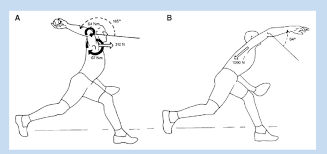
Shoulder pain when throwing is common—but it’s not something you should ignore, especially if it keeps coming back.
Whether you’re throwing a football, baseball, or even warming up, your shoulder takes a lot of stress. Sometimes it’s simple soreness. Other times, it’s a sign of irritation or injury that needs attention.
This guide will help you understand why your shoulder hurts when throwing—and what to do about it.
🏈 Common Causes of Shoulder Pain When Throwing
Throwing puts repeated stress on the shoulder joint, especially the muscles and tendons that stabilize it.
- Overuse – too many throws without enough recovery
- Rotator cuff irritation – common in throwing athletes
- Poor mechanics – improper throwing form increases strain
- Muscle imbalance – weak stabilizers vs strong prime movers
- Fatigue – shoulder breaks down late in activity
If your pain is more general or not limited to throwing, you may also want to read:
⚠️ When Shoulder Pain Is More Than Soreness
Some symptoms suggest more than simple overuse:
- Sharp pain during throwing
- Pain that lingers after activity
- Weakness or loss of velocity
- Pain when lifting your arm
- Clicking or instability in the shoulder
If your performance is changing or pain is persistent, it’s a sign to take it seriously.
If your pain is lower in the arm or closer to the elbow, read: Do I Need Tommy John Surgery?
👉 Talk to a Provider Now🏃 Can You Keep Throwing?
It depends on how your shoulder responds.
- Mild soreness that improves → may continue with reduced volume
- Pain during throwing → stop and reassess
- Pain affecting performance → rest and evaluate
If you’re unsure whether to push through or stop:
👉 Can I Play Through This Injury or Should I Rest?
🛠 How to Reduce Shoulder Pain When Throwing
- Limit throwing volume temporarily
- Focus on proper mechanics
- Strengthen rotator cuff and shoulder stabilizers
- Warm up properly before activity
- Stop if pain becomes sharp or persistent
Most throwing-related pain improves when load and mechanics are adjusted early.
🚨 When to See a Doctor
- Pain is not improving after rest
- You feel weakness or instability
- Pain is worsening over time
- You are unsure what is causing the pain
👉 When Should I See a Doctor for a Sports Injury?
⚠️ Not Sure If This Is Serious?
If your symptoms are not improving, getting worse, or affecting how you move, it may be time to get a professional opinion.
- ✔ Understand what’s causing your pain
- ✔ Know if you can safely keep playing
- ✔ Get a clear plan for recovery
🛠 Tools That Can Help Support Recovery
🦵 Support & Stability
Resistance bands can help strengthen the shoulder and improve stability.
View Strength Tools❄️ Pain Relief & Recovery
Cold therapy can help manage soreness after throwing.
View Recovery Tools🏋️ Rehab & Mobility
Mobility tools can help reduce tightness and improve movement.
View Support Tools🏈 Athlete & Parent Perspective
As a former athlete and now a parent, this one hits home. Both my son and I played quarterback in little league before transitioning to basketball, and I remember how common it was to feel shoulder soreness after throwing.
The tricky part is that in football—especially at younger levels—you’re not always thinking about mechanics or recovery. You’re just throwing, playing, competing. And a lot of times, soreness gets brushed off as “normal.”
From an athlete’s perspective, you want to keep going. From a parent’s perspective, you’re trying to figure out if it’s just part of playing or something that could turn into a bigger issue.
What I’ve learned is that shoulder pain with throwing is one of those things that gets worse if ignored too long. It often starts as mild soreness, but if it begins affecting how you throw or how your arm feels after, that’s your signal to step back.
The goal isn’t just to keep throwing today—it’s to protect the shoulder so it stays healthy long term.
Not Sure What to Do Next?
If you’re dealing with pain and unsure whether to rest, keep playing, or get help, start with these decision guides:
- Is this injury serious or just soreness?
- Should you rest or keep playing?
- When should you see a doctor for a sports injury?
Still unsure? Getting clarity early can help you avoid making the injury worse.
👉 Get Help NowSportsTeleDoc connects you with trusted care options and does not provide medical diagnosis or treatment.
Leave a Reply