
If you’re dealing with elbow pain while throwing, one question can start to creep in fast: do I need Tommy John surgery?
It’s a serious concern—especially for athletes and parents who have heard how common this injury can be in throwing sports. But the reality is, most elbow pain does not require surgery.
This guide will help you understand when it might be something serious—and when it’s not.
🏈 What Is Tommy John Surgery?
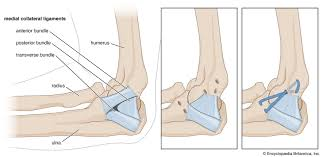
Tommy John surgery is a procedure used to repair or reconstruct the ulnar collateral ligament (UCL) in the elbow.
This ligament is critical for stability during throwing motions—especially in sports like baseball, football, and overhead training.
It usually becomes necessary when the ligament is significantly torn or damaged and cannot heal with rest or rehab alone.
But here’s the key:
Most elbow pain is not a full UCL tear.
If your pain started during throwing, read: Why Does My Elbow Hurt When Throwing?
UCL Injury Symptoms⚠️ Signs You Might Have a Serious Elbow Injury
You should be more concerned if you notice:
- Pain on the inside of the elbow (common UCL location)
- A “pop” during a throw
- Sudden loss of velocity or control
- Pain that does not improve with rest
- Feeling of instability when throwing
If your symptoms match these, it’s important not to ignore them.
The UCL is the most commonly injured ligament in throwing athletes and is the structure involved in Tommy John surgery.
Before jumping to surgery concerns, review the early warning signs: UCL Injury Symptoms
⚠️ Not Sure If This Is Serious?
If your pain is persistent, worsening, or affecting your ability to throw, it may be time to get a professional opinion.
- ✔ Understand what’s causing your elbow pain
- ✔ Know if you can safely keep playing
- ✔ Get a clear plan for recovery
🏃 When It’s Probably NOT Tommy John Surgery
Most athletes experiencing elbow pain fall into this category.
Your injury is more likely manageable without surgery if:
- Pain is mild or comes and goes
- It improves with rest
- You don’t feel instability
- Your performance is mostly unchanged
These cases are often related to:
- Overuse
- Muscle fatigue
- Minor tendon irritation
If your pain started gradually, it’s less likely to be a full ligament tear.
🛑 Can You Keep Throwing?
If a UCL injury is possible, you should not continue throwing.
Continuing to play can:
- Worsen the injury
- Delay recovery
- Increase the chance of needing surgery
If you’re unsure whether to rest or continue:
👉 Should I Rest or Keep Playing Through Pain?
🚨 When to See a Doctor
You should consider medical evaluation if:
- Your pain is not improving
- You felt a “pop” during activity
- Your performance has dropped significantly
- You’re unsure what’s causing your symptoms
👉 When Should I See a Doctor for a Sports Injury?
🛠 What You Can Do Right Now
- Stop throwing temporarily if pain is present
- Rest and monitor symptoms
- Focus on proper mechanics when returning
- Gradually rebuild strength
Early action can prevent more serious damage.
🛠 Tools That Can Help Support Recovery
🦵 Support & Stability
Elbow sleeves can provide compression and support during recovery.
View Support Options❄️ Pain Relief & Recovery
Cold therapy can help reduce soreness after activity.
View Recovery Tools🏋️ Strength & Rehab
Resistance bands can help rebuild strength safely.
View Rehab Tools🏈 Athlete & Parent Perspective
As a former athlete who pitched in little league—and now a parent—I’ve seen how quickly the fear of “Tommy John” can take over when elbow pain shows up.
As an athlete, you don’t think about long-term damage—you just want to keep playing. As a parent, it’s different. You’re watching closely, wondering if this is just soreness or something that could turn into a serious injury.
The reality is that most elbow pain starts small—but ignoring it is what turns it into something bigger.
If throwing starts to feel different—less control, less velocity, or pain that lingers—that’s usually the moment to step back and reassess.
The goal isn’t just to get back on the field—it’s to protect the athlete’s long-term health.
🏥 Not Sure What to Do Next?
If you’re unsure whether your elbow pain is something minor or something more serious, getting guidance early can help prevent a longer recovery.
- ✔ Understand what’s causing your pain
- ✔ Know if you can safely keep playing
- ✔ Get a plan to recover
SportsTeleDoc connects you with trusted care options and does not provide medical diagnosis or treatment.
Leave a Reply