
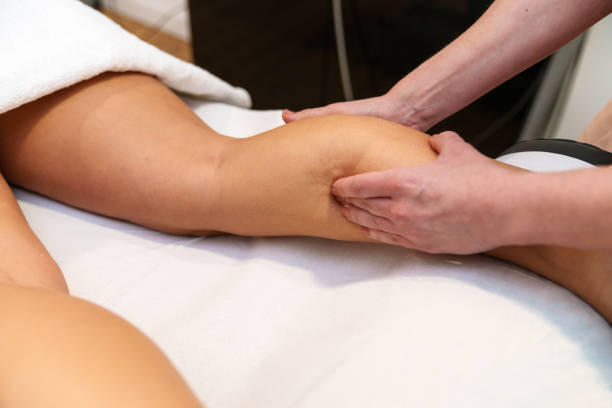
Soft tissue injuries are some of the most common issues athletes deal with — especially in sports that involve sprinting, jumping, and quick direction changes.
If you’ve played long enough, you’ve probably experienced some version of it — whether it’s a groin pull, hamstring strain, or muscle tightness that just won’t go away.
👉 The real question is: is this something you can work through, or something that needs attention?
This guide breaks down what soft tissue injuries are, how to treat them, and when you shouldn’t ignore the signs.
What Are Soft Tissue Injuries?
Soft tissue injuries affect the muscles, tendons, and ligaments — and they’re usually caused by stress over time or sudden movement.
Common types include:
- muscle strains
- groin pulls
- tendon irritation
- minor tears
From experience, these don’t always feel serious at first — but they can limit performance quickly if ignored.
What Causes Soft Tissue Injuries?
Most soft tissue injuries happen when a muscle is pushed beyond what it’s ready for.
Common causes include:
- sudden sprinting or acceleration
- lack of proper warm-up
- muscle fatigue
- poor flexibility
- returning too quickly after rest
👉 From an athlete’s perspective, this is usually where things go wrong — trying to push through tightness instead of addressing it early.
👍 Is This Minor… or Something More?
This is where athletes tend to misjudge injuries.
More likely manageable:
- mild tightness
- soreness that improves with movement
- discomfort that gets better with rest
⚠️ When to Pay Closer Attention:
- pain that gets worse over time
- sharp pain during movement
- swelling or bruising
- reduced strength or mobility
👉 These are signs it may be more than just tightness
What You Can Do Right Now
If your symptoms are mild and improving, start here:
Reduce Activity
From experience, continuing to push through a strain usually makes recovery take longer.
Ice and Control Inflammation
Use ice early to manage swelling and pain.
Gentle Stretching
Once pain decreases, begin light stretching to restore flexibility.
Gradual Strengthening
Rebuild strength slowly — rushing this step is one of the biggest mistakes athletes make.
👉 This approach is similar to managing:
Tools That Can Help Support Recovery
These won’t fix the injury alone, but they help support recovery:
- 👉 Foam roller for muscle recovery and mobility (check price on Amazon)
- 👉 Handheld muscle massage tool for recovery (view on Amazon)
- 👉 Reusable ice pack for injury recovery (see options on Amazon)
⏱️ Soft Tissue Injury Recovery Timeline
Recovery depends on severity:
- Mild strain: 1–2 weeks
- Moderate strain: 3–6 weeks
- More severe injuries: 6+ weeks
👉 From experience, rushing back too soon is one of the fastest ways to make this worse.
🩺 When I’d Take This More Seriously
This is where experience matters.
I’ve personally dealt with multiple soft tissue issues — groin strain, hamstring problems, and core muscle injuries — and one thing is consistent:
👉 These injuries usually give warning signs before becoming bigger problems.
If your pain:
- isn’t improving
- is getting worse
- or is limiting your movement
…it’s worth getting clarity before pushing through it.
👉 If you’re unsure what you’re dealing with:
You can talk to a licensed provider online to:
- understand the severity
- get guidance on recovery
- avoid making the injury worse
👉 Get help here → /get-help
How to Prevent Soft Tissue Injuries
Staying consistent with prevention is key:
- warm up properly before activity
- improve flexibility
- strengthen muscles regularly
- avoid overtraining
- gradually increase intensity
👉 This also helps reduce risk of related issues like:
- ankle sprain recovery setbacks
- shoulder pain from basketball
- Achilles tendon problems
External Reference
According to the Mayo Clinic, soft tissue injuries are commonly caused by overuse, improper technique, and lack of conditioning.
Related Injury Guides
- Knee pain from basketball
- Ankle sprain recovery timeline
- Shoulder pain from basketball
- Achilles tendon stretching and injury prevention
- Why does my leg hurt when I run
- Groin pain
- Is my injury serious
- Can I play through this ?
Final Thoughts
Soft tissue injuries are extremely common — but they’re also one of the easiest injuries to make worse if you ignore them.
Most athletes can manage them early with the right approach.
But if it’s not improving, getting clarity early can save you weeks or even months of recovery time.
👉 Take the next step → /get-help
Leave a Reply to Groin Pain After Running: Causes, Treatment, and Recovery for Athletes – SportsTeleDoc Cancel reply