
Ankle Sprain Recovery Timeline (Day by Day Guide)
Ankle Sprain Recovery Timeline: What to Expect and When to Worry
An ankle sprain is one of the most common injuries in sports — especially in basketball, running, and cutting movements.
If you’ve rolled your ankle, the biggest question is:
👉 How long will this take to heal… and is it something more serious?
Understanding the ankle sprain recovery timeline helps you recover properly, avoid reinjury, and know when it’s time to take the next step.
What Is an Ankle Sprain?
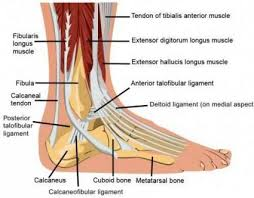
An ankle sprain happens when the ligaments that support your ankle are stretched or torn — usually from twisting or rolling your foot beyond its normal range.
Common symptoms include:
- pain and tenderness
- swelling
- bruising
- difficulty walking
- limited range of motion
The severity can vary, which is why recovery timelines are different for everyone.
Ankle Sprain Recovery Timeline (What to Expect)
While every injury is different, most ankle sprains follow a general progression:
Day 1–3: Acute Phase
- swelling and pain are at their highest
- difficulty putting weight on the ankle
- focus on rest, ice, compression, elevation (RICE)
Day 4–7: Early Recovery
- swelling begins to decrease
- light movement can begin
- continue icing and elevation
Week 2: Mobility and Strength
- improved range of motion
- begin gentle strengthening exercises
- gradual return to weight-bearing
Weeks 3–4: Return to Activity
- pain significantly reduced
- gradual return to sport-specific movement
- continue strengthening and stability work
👉 More severe sprains can take 4–6+ weeks or longer, depending on the damage.
👍 Is This a Normal Recovery… or Something More?
This is where most athletes get stuck.
More likely normal:
- gradual improvement over time
- swelling decreasing
- increasing ability to walk or move
⚠️ When to Pay Closer Attention:
- severe swelling or bruising
- inability to bear weight
- pain not improving after 1–2 weeks
- feeling like your ankle “gives out”
👉 These symptoms may overlap with other issues like soft tissue injuries or even problems connected to knee pain from sports
What You Can Do Right Now
If your symptoms are improving, focus on supporting recovery:
Reduce Stress on the Ankle
Avoid movements that cause pain, but don’t stay completely inactive longer than needed.
Ice and Control Inflammation
Apply ice for 15–20 minutes after activity or as needed.
Compression and Elevation
Helps reduce swelling and improve circulation.
Start Rehab Early
As pain allows, begin gentle movement and strengthening.
👉 Recovery is similar to other lower-body injuries like calf pain after running, where early management prevents longer setbacks.
Tools That Can Help Support Recovery
These won’t fix the injury alone, but they can support the process:
- Ankle brace for support and stability
- Compression wrap to manage swelling
- Ice pack wrap for inflammation control
Best Exercises for Ankle Sprain Recovery
Rebuilding strength and stability is key to avoiding reinjury.
Start with:
- ankle circles
- resistance band exercises
- single-leg balance drills
- heel raises
These help restore control and reduce future injury risk.
🩺 When I’d Take an Ankle Sprain More Seriously
This is the decision point.
If your ankle:
- isn’t improving
- is getting worse
- feels unstable
- or is limiting your movement
…it’s worth getting it checked before pushing through it.
Not because every sprain is serious —
but because missing something more severe can delay your return significantly.
👉 If you’re unsure what you’re dealing with:
You can talk to a licensed provider online to:
- understand the severity of your injury
- get guidance on recovery
- know when it’s safe to return to activity
👉 Get help here → /get-help
How to Prevent Future Ankle Sprains
Once you recover, prevention becomes critical:
- strengthen ankle and lower leg muscles
- improve balance and coordination
- wear proper footwear
- use support if needed
- warm up before activity
External Reference
According to the Mayo Clinic, proper rest and rehabilitation are essential to prevent long-term instability after an ankle sprain.
Related Injury Guides
- Knee pain from sports
- Can I play through this?
- high ankle vs low ankle sprain
- Is my injury serious
- Calf pain after running
- Soft tissue injuries
- Why does my leg hurt when I run
Final Thoughts
Most ankle sprains improve with the right approach — but rushing back too soon is one of the biggest reasons athletes get reinjured.
If your ankle is improving, you’re likely on the right track.
If it’s not, getting clarity early can save you weeks of frustration later.
👉 Take the next step → /get-help

Leave a Reply