
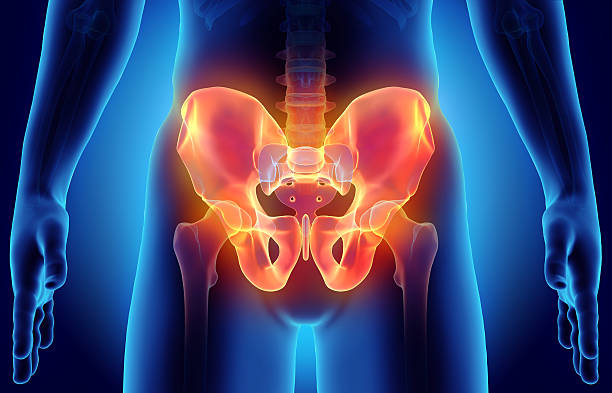
Groin pain after running is common — but often misunderstood.
It can feel like tightness, a pull in your inner thigh, or discomfort that shows up during or after activity.
The real challenge isn’t just the pain — it’s understanding what it means.
Is this simple tightness? A muscle strain? Or something that could get worse if you keep running?
In many cases, groin pain shows up after running first before it becomes a bigger issue during activity.
Looking for the bigger picture on running injuries?
Pain while running is often connected to training load, overuse, muscle imbalance, or recovery habits. See our Running Injuries Guide for a full breakdown of common running injuries, related pain patterns, and what to do next.
📌 Quick Answer
Groin pain after running is usually caused by muscle strain, overuse, or tight hip and inner thigh muscles. Mild symptoms may improve with rest and mobility work, but sharp pain, worsening symptoms, or pain that affects movement should not be ignored.
🧠 What Type of Groin Pain Do You Have?
Not all groin pain is the same — and this is where most athletes get it wrong.
🔵 Tightness / Overuse
- Dull or tight feeling in the inner thigh
- Builds during or after running
- Often improves with rest
🔴 Muscle Strain
- Sharp or sudden pain
- Feels like a pull during running, sprinting, or cutting
- Pain with pushing off or changing direction
🔴 Possible More Serious Issue
- Pain getting worse over time
- Pain affecting walking or movement
- Pain not improving with rest
👉 Is This Injury Serious or Soreness?
⚠️ Why Groin Pain Happens After Running
Your groin (inner thigh muscles) helps stabilize your hips and control movement while running.
Common causes include:
- Overuse or increased training intensity
- Tight hip and inner thigh muscles
- Sudden changes in direction or speed
- Weak core or hip stabilizers
- Poor running mechanics
This is often part of a connected lower-body chain:
👉 If multiple areas hurt after running, it often points to overall load or movement patterns.
⏱️ When Do You Feel Groin Pain?
🏃 During Running
- Pain with stride, sprinting, or cutting
- May feel like tightness or pulling
🧊 After Running
- Soreness or tightness later in the day
- Stiffness the next morning
🔁 Keeps Coming Back
- Pain returns with activity
- Never fully resolves
👉 Why Injuries Keep Coming Back
🚨 Is Groin Pain Serious?
🟢 Usually Not Serious
- Mild tightness
- Improves with rest
- Does not affect movement
🔴 More Concerning
- Sharp or worsening pain
- Pain affecting movement or stride
- Pain not improving over time
👉 Is This Injury Serious or Soreness?
⚠️ Pain Not Improving?
If your groin pain is getting worse or not improving, getting clarity early can prevent a longer recovery.
👉 Get Answers Now🏃 Can You Keep Running With Groin Pain?
You may be OK to continue if:
- Pain is mild
- Does not affect movement
- Improves as you warm up
You should stop if:
- Pain is sharp or worsening
- You feel a pull or strain
- Pain affects your stride
👉 Can You Play Through This Injury?
🔄 Why Groin Pain Keeps Coming Back
- Tightness is not fully addressed
- Training load increases too quickly
- Hip and core strength are not balanced
- Movement patterns stay the same
👉 Why Injuries Keep Coming Back
🛠️ What Actually Helps
- ✔️ Reduce load temporarily
- ✔️ Stretch inner thigh and hip muscles
- ✔️ Improve hip mobility
- ✔️ Strengthen core and stabilizers
If movement or stability is contributing, strengthening and support can reduce stress on the groin.
🧰 Tools That Can Help Support Recovery
This page may include affiliate links. We only recommend tools that support recovery and performance.
❄️ Recovery & Pain Relief
View Recovery Tools🦵 Support & Compression
View Support Options🏋️ Strength & Rehab
View Rehab Tools❗ When Should You See a Doctor?
- Pain lasts more than 1–2 weeks
- Pain is getting worse
- Pain limits movement or activity
🧠 Athlete & Parent Perspective
Groin pain is one of the easiest injuries to underestimate.
It often starts as tightness — but if ignored, it can turn into a strain that takes much longer to recover.
The key is recognizing early whether it’s improving or getting worse.
👉 For Parents: Is My Child’s Injury Serious?
🧭 Not Sure What to Do Next?
SportsTeleDoc provides educational guidance and connects users to care options. We do not diagnose or treat medical conditions.
Leave a Reply