
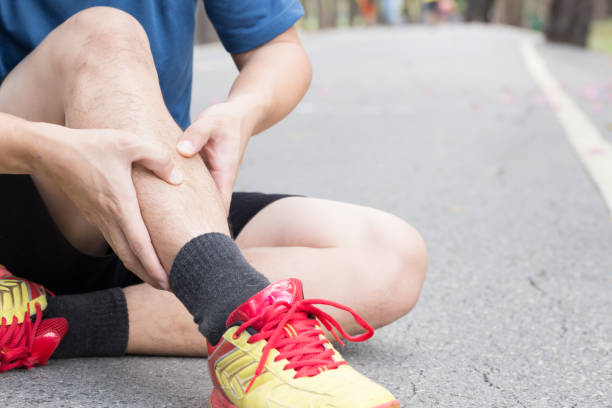
Shin splints are one of the most common causes of lower leg pain in athletes — especially in running, basketball, and other high-impact sports.
If you’re feeling pain along the front or inside of your shin, the biggest question is:
👉 Is this something I can manage, or is it turning into something more serious?
From my experience, as a college athlete, having to run 4 miles in the morning before practice daily, always led to more questions but ultimately, we were expected to go.
This guide breaks down what shin splints are, how to treat them, and how to know when you shouldn’t ignore the pain.
What Are Shin Splints?
Shin splints (medial tibial stress syndrome) happen when the muscles and tissues around your shinbone become irritated from repeated stress.
This usually builds up over time — not from one single movement.
If your pain feels more focused, isn’t improving or continues to return it may help to understand what a stress fracture actually feels like.
What’s Causing Your Shin Pain?
From experience, shin splints usually come down to a few key factors:
- Sudden increase in training intensity or volume
- Running or training on hard surfaces
- Poor or worn-out footwear
- Tight calf muscles
- Not enough recovery between workouts
These issues often show up alongside:
- knee pain from sports
- Achilles tendon tightness
👉 If you’re unsure whether this is shin splints or something else, see:
Why does my leg hurt when running
What You Can Do Right Now (Shin Splints Treatment)
Most cases can be managed early if you catch them in time.
1. Reduce Impact
You don’t always need to stop completely — but you do need to reduce what’s causing the pain.
2. Ice the Area
Apply ice for 15–20 minutes after activity to help manage inflammation.
3. Stretch and Loosen the Lower Leg
Focus on:
4. Gradually Return to Activity
Don’t jump back in too quickly — that’s how it comes right back.
👉 Like other overuse issues, early adjustment can prevent it from turning into something more serious.
⏱️ How Long Do Shin Splints Last?
- Mild: 1–2 weeks
- Moderate: 3–4 weeks
- More severe: longer, depending on how early you address it
⚠️ When Shin Splints Might Be More Than Shin Splints
This is the part you don’t want to ignore.
Pay closer attention if you have:
- pain that keeps getting worse
- pain even at rest
- sharp or very localized pain
- no improvement after reducing activity
👉 These can sometimes overlap with more serious issues like stress fractures.
🩺 When I’d Get It Checked
If your pain:
- isn’t improving
- is getting worse
- or is affecting how you move
…it’s worth getting clarity before it turns into a longer-term problem.
Not because it’s guaranteed to be serious —
but because guessing wrong can set you back weeks.
👉 If you’re unsure, this is a simple next step:
You can talk to a licensed provider online and get guidance on what’s actually going on and what to do next.
👉 Get help here → /get-help
How to Help Prevent Shin Splints
Once you’re recovering, prevention becomes key:
- Wear proper footwear
- Warm up before activity
- Increase training gradually
- Strengthen lower leg muscles
Tools That Can Help Support Recovery
These won’t fix the root cause, but they can help you manage symptoms:
Related Injury Guides
- Knee pain from sports
- Achilles tendon tightness
- Soft tissue injuries
- Why does my leg hurt when running
- Shin splints vs stress fracture
- Is my injury serious
Final Thoughts
Shin splints are common — but they’re also one of those injuries that can get worse if you ignore them.
Most athletes can manage them early with the right adjustments.
But if it’s not improving, the smartest move is getting clarity before it turns into something more serious.
👉 Take the next step → /get-help
Leave a Reply to Groin Pain After Running: Causes, Treatment, and Recovery for Athletes – SportsTeleDoc Cancel reply