
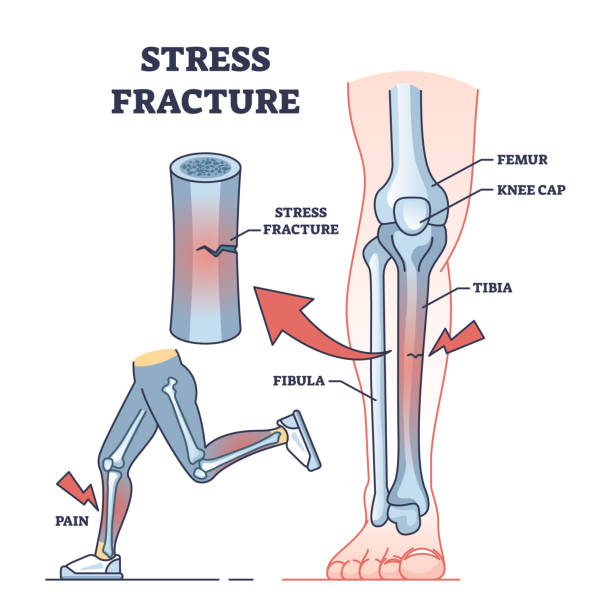
Shin Splints vs Stress Fracture: How to Tell the Difference (and What to Do)
If you’re dealing with shin pain from running or sports, one of the biggest questions is:
👉 Is this just shin splints… or something more serious like a stress fracture?
Early on, they can feel very similar. But the difference matters.
One can often be managed and trained through carefully. The other usually requires stopping and protecting the bone.
This guide will help you figure out what your symptoms mean — and what to do next.
📌 Quick Answer
Shin splints are caused by irritation of muscles and tissue around the shin and usually improve with rest and load adjustment.
Stress fractures are small cracks in the bone and typically cause sharp, localized pain that worsens with activity and may persist at rest.
If your pain is getting worse instead of better, it should not be ignored.
🧠 What Are Shin Splints?
Shin splints (medial tibial stress syndrome) are one of the most common running injuries.
They usually develop from:
- Increasing mileage or intensity too quickly
- Repetitive impact from running or jumping
- Tight or overworked calf and lower leg muscles
Typical symptoms:
- Dull, aching pain along the shin
- Pain spread over a larger area (not one exact spot)
- Pain worse at the start of activity, sometimes improving as you warm up
👉 Related:
Shin Pain When Running
🦴 What Is a Stress Fracture?
A stress fracture is a bone injury caused by repeated loading over time.
Instead of muscle irritation, this is a small crack in the bone itself.
Typical symptoms:
- Sharp or pinpoint pain
- You can often press one exact spot that hurts
- Pain worsens with activity
- Pain may still be present at rest or at night
👉 If pain keeps returning:
Why Injuries Keep Coming Back
⚖️ Shin Splints vs Stress Fracture (Key Differences)
🟢 Shin Splints (More Likely)
- Dull, aching pain
- Pain along a broader area of the shin
- Improves with rest
- May loosen up during activity
🔴 Stress Fracture (More Serious)
- Sharp, pinpoint pain
- Pain in one specific spot
- Pain worsens with activity
- Pain even at rest or at night
🧠 A Simple Way to Think About It
- Shin splints = muscle/tissue overload
- Stress fracture = bone injury
If your symptoms are progressively getting worse instead of improving, that is a key warning sign.
🏃 What You Can Do Right Now
If symptoms are mild and improving:
- ✔️ Reduce high-impact activity temporarily
- ✔️ Ice after activity
- ✔️ Stretch calves and improve mobility
- ✔️ Gradually return to running
👉 Related:
Calf Pain When Running
Foot Pain When Running
⚠️ When to Be More Careful
Pay close attention if:
- Pain is not improving after 1–2 weeks
- Pain is getting worse with activity
- Pain is sharp or very localized
- You feel pain even when not training
👉 Start here:
Is This Injury Serious or Soreness?
🧰 Tools That Can Help Support Recovery
These tools can help reduce stress on the lower leg and support recovery. This is general guidance — not a substitute for medical care.
❄️ Pain Relief & Recovery
Cold therapy and massage tools may help reduce inflammation and soreness.
View Recovery Tools🦵 Support & Stability
Compression sleeves or support can help reduce load during activity.
View Support Options👟 Foot Support
Improving foot mechanics (like arch support) can reduce stress on the shin.
Explore Insoles for Running →❗ When Should You See a Doctor?
- Pain lasts more than 1–2 weeks
- Pain is worsening instead of improving
- You suspect a stress fracture
👉 Read:
When to See a Doctor
🧠 Parent & Athlete Perspective
This is one of the most commonly misjudged injuries — especially in young athletes.
Shin splints often get pushed through. Stress fractures often get missed early.
The difference usually comes down to whether the pain is improving… or getting worse.
👉 For parents:
Is My Child’s Injury Serious?
🚑 Not Sure What You’re Dealing With?
If you’re unsure whether it’s shin splints or something more serious, getting clarity early can prevent a much longer setback.
SportsTeleDoc provides educational guidance and connects users to care options. We do not diagnose or treat medical conditions.
Leave a Reply