
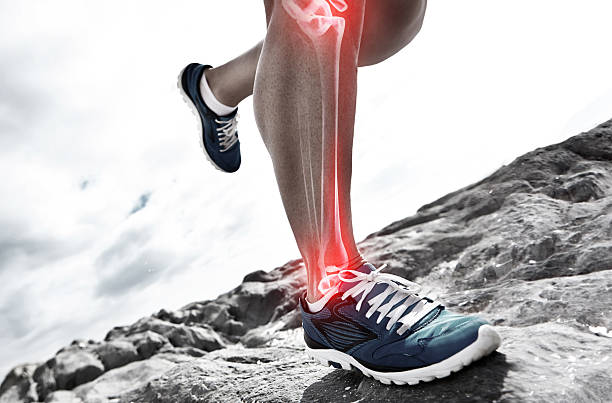
Shin pain when running is one of the most common issues athletes deal with — and one of the easiest to ignore early.
It usually starts as a dull ache.
Then becomes sharper.
And eventually, it can make every step uncomfortable.
The real challenge isn’t just the pain.
👉 It’s knowing what it means.
- Is this just soreness?
- Are these shin splints?
- Or could this be something more serious like a stress fracture?
This guide will help you understand what’s going on — and what to do next.
📌 Quick Answer
Shin pain when running is usually caused by overuse, increased training load, or muscle fatigue. It’s commonly referred to as shin splints, but in some cases, it may be a stress injury that requires rest.
🧠 Why Shin Pain Happens When You Run
Your shins absorb a lot of stress when you run — especially with repetitive impact.
Most shin pain comes from:
- Increasing mileage too quickly
- Running on hard surfaces
- Tight calves or poor mobility
- Muscle fatigue over time
👉 This is often part of a bigger lower-body pattern that can also affect:
⏱️ When Do You Feel Shin Pain?
The timing of your pain gives you important clues.
🏃 Early in a Run
- Tightness that improves as you warm up
- Often early-stage shin splints
🏃 During or After Running
- Pain builds as you go
- May feel worse later in the day
🧊 At Rest
- Pain without activity
- More concerning — could indicate stress injury
👉 See: /stress-fracture-symptoms
⚠️ Shin Splints vs Stress Fracture
This is the most important distinction.
🟢 Shin Splints (More Common)
- Dull, spread-out pain
- Improves with rest
- Comes back with activity
🔴 Stress Fracture (More Serious)
- Sharp, pinpoint pain
- Gets worse over time
- Pain at rest
👉 Read: /shin-splints-vs-stress-fracture
🚨 Is Shin Pain Serious?
🟢 Usually Not Serious
- Mild soreness
- Improves with rest
- No sharp pain
🔴 More Concerning
- Pain worsening each run
- Pain in one specific spot
- Pain at rest
👉 Read: /injury-serious-or-soreness
🏃 Can You Keep Running With Shin Pain?
You may be OK to continue if:
- Pain is mild
- Improves during the run
- Doesn’t affect your form
You should stop if:
- Pain is sharp or worsening
- You’re limping
- Pain lingers after activity
👉 Read: /can-you-play-through-injury
🔄 Why Shin Pain Keeps Coming Back
Shin pain is one of the most common recurring injuries.
It usually comes back because:
- You returned too quickly
- The underlying load didn’t change
- Strength and mobility weren’t addressed
👉 Read: /shin-pain-recurring
👉 Also: /why-does-my-injury-keep-coming-back
🛠️ What Actually Helps Shin Pain
✔️ Reduce running load
Temporarily decrease mileage
✔️ Ice after activity
Helps calm inflammation
✔️ Stretch calves regularly
Improves shock absorption
✔️ Strengthen lower leg muscles
Helps prevent recurrence
🧰 Tools That Can Help Support Recovery
❗ When Should You See a Doctor?
- Pain lasts more than 1–2 weeks
- Pain is getting worse
- You suspect a stress fracture
👉 Read: /when-to-see-doctor-sports-injury
🧠 Athlete Perspective
Shin pain is one of the most common injuries athletes try to push through — especially early.
But it’s also one of the easiest to turn into something more serious if ignored.
From experience, the key difference is timing.
👉 Adjusting early can keep you training
👉 Ignoring it often leads to longer time off
🧭 Not Sure What to Do Next?
Start here:
🚑 Need Help Right Now?
If your shin pain isn’t improving — or you want clarity on what to do next:
👉 Talk to a provider about your injury → /get-help
Leave a Reply