
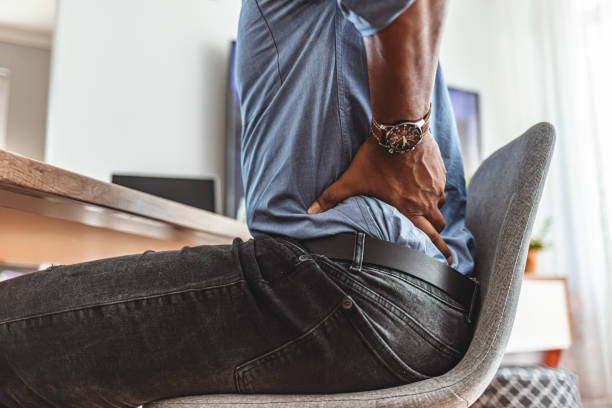
If you notice lower back pain when sitting — in the car, at work, on a plane, or even watching a game — it can be frustrating because it may not hurt all the time.
But when pain keeps showing up every time you sit too long, the real question becomes:
Is this normal stiffness, or is your body telling you something needs attention?
From experience, this is something I understand personally. During my playing days, I had a tailbone injury after getting cut out of the air. It seemed to heal, but even years later, I can still feel it when I sit too long or stay in one position.
That is why recurring pain matters. It may not always mean something serious, but it should not be ignored if it keeps coming back.
Not sure if your back pain needs attention?
If your lower back pain keeps returning, travels down your leg, or is affecting daily movement, getting clarity early can help you avoid making it worse.
Get Help Understanding Your Back PainWhy Does My Lower Back Hurt When I Sit?
Lower back pain when sitting usually comes from one of a few common patterns:
- tight hips or hamstrings
- poor posture
- weak core or glutes
- old impact injuries
- disc or nerve irritation
- sitting too long without movement
Sitting puts your body in a fixed position. Over time, that can increase pressure through the lower back, hips, and pelvis — especially if your body is already tight, weak, or recovering from an older injury.
Looking for the bigger picture on lower back pain?
Lower back pain when sitting is often part of a larger pattern involving posture, core stability, and movement habits. See our Lower Back & Core Injury Guide for a full breakdown of posture-related pain, disc irritation, core weakness, and what to do next.
Common Causes of Lower Back Pain When Sitting
1. Muscle Tightness and Poor Posture
This is one of the most common reasons your lower back hurts when sitting.
Long periods of sitting can cause:
- tight hip flexors
- tight hamstrings
- rounded posture
- pressure through the pelvis
- extra strain on the lower back
If your pain feels stiff, achy, or improves once you stand up and move around, this may be the pattern.
2. Weak Core or Glute Muscles
Your lower back often works harder when your core, hips, or glutes are not doing enough.
This is especially common in athletes who train hard but do not always spend enough time on mobility, core control, or recovery.
The lower back may start absorbing stress that should be shared by the hips and core.
Related guide: Did I Strain My Oblique?
3. Old Impact or Tailbone Injuries
Not every injury fully disappears. Some injuries calm down, but still show up later under the right conditions.
From experience, my tailbone injury does not affect me every day. But long sitting, travel, or certain positions can still bring discomfort back.
This can happen with:
- tailbone injuries
- falls
- lower back impact injuries
- old sports injuries
- pelvis or hip trauma
If your pain started after a fall, collision, or hard landing, that history matters.
4. Recurring Load-Related Pain
If your pain comes and goes, that does not always mean it is random.
Recurring pain usually means something is still being irritated.
Pay attention if your pain:
- goes away but keeps returning
- shows up after sitting or travel
- gets worse during busy training weeks
- improves temporarily but never fully resolves
Related guide: Why Your Injury Keeps Coming Back
5. Disc or Nerve Irritation
Some lower back pain when sitting can involve deeper irritation, especially if symptoms travel beyond the back.
This is more concerning when pain includes:
- numbness
- tingling
- pain down the butt, hamstring, or leg
- sharp or electric pain
- weakness
- worsening symptoms
If pain travels down your leg or feels nerve-related, it is worth getting evaluated instead of guessing.
Back pain with numbness, tingling, or pain down the leg?
That is not the same as simple stiffness. If symptoms are spreading, worsening, or affecting how you move, it may be time to talk with a provider.
Talk to a Provider About Back PainWhen Sitting Pain Happens Matters
After Sitting a Long Time
If pain shows up after long sitting and improves with movement, it may be related to stiffness, posture, or muscle tightness.
During Travel
Car rides and flights can trigger lower back or tailbone pain because your body stays compressed in one position for a long time.
At Work or School
If your pain builds during the day, your chair setup, posture, movement breaks, and core endurance may all play a role.
Every Time You Sit
If sitting consistently causes pain, or the pain is getting easier to trigger, that is a stronger sign you should pay attention.
When Should You Be Concerned?
Likely Minor
Your lower back pain may be less concerning if it:
- improves when you move
- feels like stiffness instead of sharp pain
- does not travel down the leg
- does not affect walking or activity
- gets better with posture changes and breaks
Worth Paying Attention To
You should take it more seriously if it:
- keeps coming back
- gets worse over time
- affects daily movement
- limits sports or training
- causes numbness or tingling
- travels down the leg
- started after a fall or impact
This is where many athletes wait too long. The pain is manageable, so they keep ignoring it — until it becomes harder to fix.
Can You Play Through Lower Back Pain?
Sometimes, mild lower back discomfort is manageable if it improves with movement and does not affect performance.
But you should not push through pain that is worsening, sharp, recurring, or nerve-related.
You may be able to continue activity if:
- pain is mild
- movement makes it feel better
- there is no numbness or tingling
- you can move normally
- symptoms are improving
You should stop and reassess if:
- pain gets worse during activity
- pain changes your movement
- symptoms travel down your leg
- you feel weakness, numbness, or tingling
- the same pain keeps returning
Related guide: Can I Play Through This Injury or Should I Rest?
What To Do If Sitting Causes Lower Back Pain
1. Move More Often
Avoid sitting in one position for too long. Stand up, walk, and change positions throughout the day.
2. Support Your Lower Back
Use a chair setup that helps you sit tall without forcing your lower back to round.
3. Work on Hip Mobility
Tight hips can increase stress on the lower back. Hip flexor and hamstring mobility can help reduce that load.
4. Strengthen Your Core and Glutes
Your lower back should not be doing all the work. Core control, glute strength, and hip stability all matter.
5. Pay Attention to Patterns
Ask yourself:
- Does it only happen after long sitting?
- Does it improve with movement?
- Is it getting worse?
- Is it spreading into the leg?
- Is it affecting sports or daily life?
Athlete and Parent Perspective
As a former athlete and now a parent of a student-athlete, I know how easy it is to dismiss pain that only shows up sometimes.
That is especially true with lower back pain. If you can still move, train, or get through the day, it is tempting to assume it is nothing.
But recurring pain is information. It is your body showing you a pattern.
For athletes and parents, the goal is not to panic over every ache. The goal is to recognize when something keeps returning, starts limiting movement, or needs a better decision before it becomes a bigger problem.
Helpful Tools That May Support Recovery
These tools do not replace medical care, but they may help support comfort, posture, and recovery habits:
- Lumbar support cushion — helpful for sitting posture and long drives
- Heating pad — may help with stiffness and muscle tightness
- Foam roller — useful for hip, glute, and lower body mobility work
SportsTeleDoc may earn from qualifying purchases.
When to Get Help
Consider talking to a provider if your lower back pain:
- keeps coming back
- is getting worse
- travels down your leg
- causes numbness or tingling
- affects daily movement
- limits sports, training, or work
- started after a fall, collision, or hard landing
Getting clarity early can prevent you from guessing, over-resting, or pushing through something that needs attention.
Still unsure what your lower back pain means?
If sitting keeps triggering pain, or symptoms are not improving, take the next step and get guidance.
Get Help NowFinal Takeaway
Lower back pain when sitting is not always serious, but it is not something to ignore when it keeps coming back.
The biggest mistake athletes and active adults make is assuming recurring pain is normal just because they can still function.
If your pain improves with movement, posture changes, and better habits, you may be on the right track.
But if it keeps returning, gets worse, travels down your leg, or affects daily life, getting clarity now can save time, frustration, and long-term issues.
For the bigger picture, visit the Lower Back & Core Injury Guide.
Not Sure What to Do Next?
If you are dealing with pain and unsure whether to rest, keep playing, or get help, start with these decision guides:
Leave a Reply