
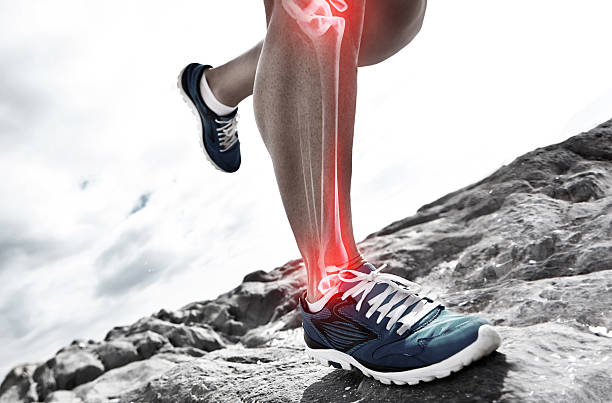
🏃 How Long Do Shin Splints Take to Heal?
If you’re dealing with shin pain, one of the first questions is:
👉 How long is this going to take to heal?
And just as important:
👉 Is this actually shin splints — or something more serious?
From experience, this is where athletes get stuck.
You take a few days off… it feels better… then you go right back — and the pain returns.
This guide breaks down:
- realistic recovery timelines
- what affects how fast you heal
- why shin pain keeps coming back
- when to take the next step
👉 And most importantly — what to do next
🧠 What Are Shin Splints?
Shin splints (medial tibial stress syndrome) are:
👉 pain along the inner edge of the shin bone
They’re typically caused by repeated stress and overload.
Common causes include:
- sudden increase in training
- running or jumping on hard surfaces
- improper or worn-out shoes
- tight calves or weak lower leg muscles
Looking for the bigger picture on running injuries?
Pain while running is often connected to training load, overuse, muscle imbalance, or recovery habits. See our Running Injuries Guide for a full breakdown of common running injuries, related pain patterns, and what to do next.
⏱️ Shin Splints Recovery Timeline
Recovery depends on severity and how early you adjust.
🟢 Mild (Early Stage)
- soreness during or after activity
- no sharp or pinpoint pain
- improves quickly with rest
👉 Recovery time: 1–3 weeks
🟡 Moderate
- pain during activity
- soreness that lingers after
- performance starting to drop
👉 Recovery time: 3–6 weeks
🔴 Severe
- pain even at rest
- sharper or more intense discomfort
- difficulty running or jumping
👉 Recovery time: 6–12+ weeks
🚨 Important
👉 If your symptoms aren’t improving within a few weeks, it may not just be shin splints.
⚠️ When It Might Be Something More Serious
This is where athletes often make the wrong decision.
Warning signs:
- pain in one specific spot
- sharp pain instead of dull soreness
- pain that gets worse over time
- pain even without activity
👉 If that sounds familiar:
Read: Shin Splints vs Stress Fracture
🔁 Why Shin Splints Keep Coming Back
This is one of the most common patterns.
Most athletes don’t fully recover — they:
- rest just enough to feel better
- return too quickly
- end up dealing with the same issue again
From experience, this is exactly how injuries become long-term problems.
Common causes of recurrence:
- returning too soon
- not fixing the root cause
- poor footwear
- tight or weak lower legs
- fatigue and lack of recovery
👉 Read: Why Your Injury Keeps Coming Back
⚡ How to Speed Up Recovery (Without Repeating the Same Cycle)
🧊 Reduce Impact
- temporarily limit running/jumping
- use lower-impact training
🧠 Adjust Load
- avoid sudden increases in activity
- ease back into training
🦵 Strength + Mobility
- calf strengthening
- lower leg strengthening
- ankle mobility
💧 Recovery Matters More Than You Think
From experience — especially watching my son play:
👉 hydration and recovery make a real difference
When athletes:
- play back-to-back
- train without full recovery
- or push through fatigue
👉 injuries tend to linger or return
Recovery isn’t just rest — it’s preparation.
❓ Can You Play Through Shin Splints?
🟢 Possibly:
- mild discomfort
- improving symptoms
- no sharp pain
🔴 Not recommended:
- worsening pain
- recurring symptoms
- sharp or localized pain
👉 Read: Can You Play Through Injury or Should You Rest?
🧠 Decision Point (What Should You Do?)
Ask yourself:
👉 Is it improving?
👉 Is it staying the same?
👉 Is it getting worse?
If improving:
Continue recovery and gradual return
If not improving:
You need clarity before it turns into something worse
🩺 When to Get Help
Consider talking to a provider if:
- pain isn’t improving after a few weeks
- symptoms keep returning
- you’re unsure what the injury actually is
- performance is being affected
👉 Get clarity early instead of guessing
👉 Talk to a provider:
🛒 Recovery Tools That May Help
Athletes commonly use:
- compression sleeves (shin support)
- foam rollers
- ice packs
- supportive running shoes
🧠 Final Takeaway
Shin splints don’t follow the same recovery timeline for everyone.
👉 The biggest mistake athletes make:
- returning too soon
- ignoring symptoms
- assuming it will go away on its own
From experience:
👉 The difference between a quick recovery and a long-term issue comes down to what you do early
If your symptoms are improving, you’re likely on the right track.
If they’re not — getting clarity now can save you weeks or months.
👉 Return to the full guide: Lower Body Running Injuries Guide
👉 If your child’s shin pain is not improving the way you expected, it may be time to look more closely at the pattern.
🛠 Tools That Can Help Support Recovery
These tools can help reduce pain, support the injured area, and improve recovery. Always use them based on your symptoms and comfort level.
🦵 Support & Stability
A brace or support can help protect the injured area and allow you to stay active safely.
View Support Options❄️ Pain Relief & Recovery
Recovery tools like cold therapy, massage, or light therapy can help reduce inflammation and pain.
View Recovery Tools🏋️ Strength & Rehab
Once pain improves, strengthening tools can help rebuild stability and prevent re-injury.
View Rehab Tools👉 Start here → /get-help
Leave a Reply