🔍 Pain in your abs or side during sports?
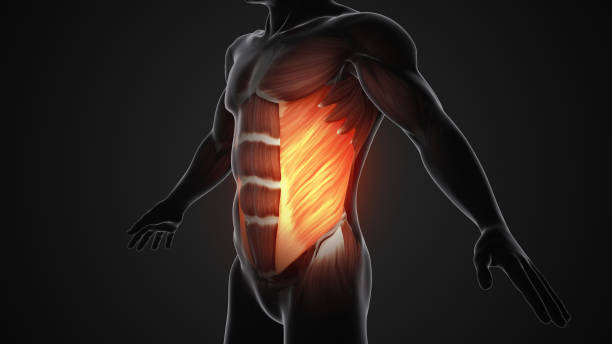
If you’re feeling pain in your abdomen or along your side — especially during twisting, sprinting, or shooting — it could be an abdominal or oblique strain.
This is a common injury in athletes, but one that’s often misunderstood early.
👉 The hardest part isn’t always the injury — it’s knowing whether it’s something minor or something that needs attention.
Looking for the bigger picture on lower back and core pain?
Lower back, abdominal, oblique, and core pain can be connected to movement, rotation, weakness, or overuse. See our Lower Back & Core Injury Guide for a full breakdown of causes, related injuries, and what to do next.
────────────────────────
🧭 Start Based on Your Situation
🏃 Pain During Activity
Sharp or pulling pain when sprinting, twisting, or rotating
🧊 Pain After Activity
Soreness or tightness after workouts or games
🪑 Pain at Rest or Sitting
Tightness or discomfort when inactive
🔁 Recurring Pain
Pain that improves but keeps coming back
👉 Not sure what this means?
👉 Start here → /get-help
────────────────────────
🧠 What Is an Abdominal or Oblique Strain?
An abdominal or oblique strain happens when the muscles in your core are stretched or partially torn.
These muscles are responsible for:
- rotation (twisting and turning)
- stabilizing your torso
- transferring power between your upper and lower body
👉 That’s why this injury is common in:
- basketball
- baseball
- football
- sprinting sports
────────────────────────
⚠️ Common Causes
- sudden twisting or rotation
- explosive movements (cutting, sprinting, jumping)
- overuse without proper recovery
- weak core or poor stability
👉 In many cases, the injury builds up before you fully feel it
────────────────────────
🧠 What It Feels Like
👍 Mild Strain
- dull soreness
- tightness in the abs or side
- improves with movement
⚠️ Moderate to Severe
- sharp pain with movement
- pain when twisting or bending
- difficulty sprinting or rotating
- pain that worsens during activity
👉 If it feels sharp or limits movement, it’s more than normal soreness
👉 Learn more about serious vs soreness → /injury-serious-or-soreness
────────────────────────
🔁 Why Core Injuries Keep Coming Back
Abdominal and oblique strains are one of the most commonly recurring injuries.
👉 This usually happens because:
- you return too soon
- the core isn’t fully strengthened
- early warning signs are ignored
- high-intensity movement continues too early
👉 Learn more → /why-injury-keeps-coming-back
────────────────────────
🏃 Can You Play Through It?
You MAY be able to continue if:
- pain is mild
- improves during movement
- does not affect performance
You SHOULD rest if:
- pain is sharp
- worsens with activity
- limits rotation or sprinting
👉 Read more → /can-you-play-through-injury
────────────────────────
🧠 From Experience
As a former athlete, I’ve dealt with a wide range of injuries — but one that stood out was tweaking my oblique after my playing career.
At first, it didn’t seem like a major issue. But over time, it became clear how much the core affects everything — movement, stability, and performance.
What surprised me most was how long it took to fully recover.
Even without competing at a high level anymore, the injury lingered and required patience, rest, and rebuilding strength the right way.
Now, as a parent of a student-athlete, I see how easy it is to overlook core injuries early.
👉 But from experience, these injuries can stay with you if not handled properly.
────────────────────────
🛠️ Tools That Can Help Support Recovery
🧊 Cold Therapy (Early Stage)
Helps reduce inflammation and soreness
🔥 Heat Therapy (Later Stage)
Helps loosen tight muscles and improve blood flow
💪 Core Strength Support
Helps rebuild strength safely over time
────────────────────────
🛠️ What You Can Do
- reduce high-intensity activity
- avoid twisting and explosive movements
- begin light core activation
- gradually rebuild strength and stability
👉 For a deeper recovery approach → /core-muscle-strain
👉 Related lower back pain → /lower-back-pain-sports
────────────────────────
⚠️ When to Be Concerned
- pain is not improving
- sharp or worsening pain
- pain affecting performance
- recurring symptoms
👉 Learn more → /injury-serious-or-soreness
👉 When to see a doctor → /when-to-see-doctor
────────────────────────
🚀 What to Do Next
If you’re unsure what this injury means or how to manage it:
👉 Explore all injuries → /blog
👉 Return to the full guide: Lower Back & Core Pain Guide
Not Sure What to Do Next?
If you’re dealing with pain and unsure whether to rest, keep playing, or get help, start with these decision guides:
- Is this injury serious or just soreness?
- Should you rest or keep playing?
- When should you see a doctor for a sports injury?
Still unsure? Getting clarity early can help you avoid making the injury worse.
👉 Get Help Now👉 Talk to a provider about your injury → /get-help
Leave a Reply