If your child is complaining about pain after practice, a game, or training, the hardest part usually is not the pain itself — it is knowing what it means and what to do next.
Is this normal soreness from activity? Is it something they can safely play through? Or is this the kind of injury that gets worse if you wait too long?
For parents of young athletes, this is one of the most common and most stressful decisions.
👉 This guide will help you tell the difference between normal soreness and a more concerning injury — so you can make the right call early.
📌 Quick Answer
In many cases, soreness is mild, improves within a day or two, and does not change how your child moves.
An injury is more concerning when pain is sharp, keeps coming back, gets worse over time, causes limping, swelling, or changes the way your child runs, jumps, or plays.
👉 If pain is affecting movement or not improving, it is worth paying closer attention.
🧠 Why This Is Hard for Parents
Young athletes often say they are “fine” even when something is bothering them.
They want to play, stay with their team, and avoid missing practice or games.
At the same time, parents do not want to overreact to every complaint of pain — but they also do not want to ignore something that could turn into a bigger issue.
👉 That tension is exactly where most families get stuck.
🧠 Athlete & Parent Perspective
As both an athlete and a parent of a young athlete, this is one of the most common patterns you see.
Pain often starts small, gets brushed off as soreness, and then slowly turns into something that affects movement, confidence, and time away from sport.
👉 The difference is usually not toughness — it is timing.
Recognizing when soreness is normal and when pain is becoming a real issue is what helps parents make better decisions.
🔍 What Normal Soreness Usually Looks Like
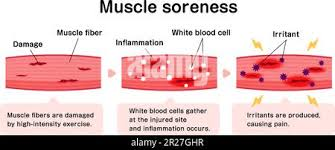
Soreness is common after hard effort, a new workout, or returning to activity after time off.
- mild muscle soreness
- symptoms on both sides of the body
- improves within 24–72 hours
- does not cause limping or major movement changes
- feels better as the body warms up
👉 This is often training-related soreness, not a true injury.
🚨 What a More Serious Injury May Look Like
Pain deserves more attention when it looks less like soreness and more like a specific problem.
- sharp or pinpoint pain
- pain on one side only
- swelling or bruising
- limping or avoiding certain movements
- pain that gets worse with activity
- pain that keeps coming back
👉 These are the patterns parents should take more seriously.
👉 Related guide: When should my child see a doctor?
📍 The Biggest Clue: Does It Affect Movement?
One of the easiest ways to tell whether pain may be more serious is to watch how your child moves.
🟢 Less Concerning
- walking normally
- running without obvious compensation
- no hesitation jumping, cutting, or changing direction
🔴 More Concerning
- limping
- favoring one side
- avoiding push-off, landing, or certain movements
- stiffness that does not improve
👉 If pain is changing movement, it is no longer “just soreness” until proven otherwise.
🦵 Common Areas Where Parents Get Confused
Knee Pain
Young athletes often get knee pain from jumping, running, or overuse. Mild soreness can happen, but recurring pain or pain that affects jumping and landing deserves more attention.
Heel, Foot, and Ankle Pain
Heel pain, ankle sprains, and foot pain are common in growing athletes. Pain that lingers, returns, or changes the way they run should not be ignored.
Shin and Lower Leg Pain
Shin pain is often blamed on “just soreness,” but repeated lower leg pain can become a more significant overuse problem.
⏱️ How Long Should Soreness Last?
Normal soreness usually improves within a couple of days.
- 24–48 hours = common after hard activity
- up to 72 hours = still possible after intense effort
- longer than that = worth monitoring more closely
👉 If pain lasts longer than several days, returns every time your child plays, or gets worse instead of better, think beyond soreness.
🛠️ What Parents Can Do Right Away
- ask exactly where the pain is
- watch for limping or hesitation
- reduce activity for a few days if needed
- use ice after activity if the area is irritated
- do not let your child push through sharp pain
- track whether symptoms are improving or returning
👉 Early adjustment is often the difference between a short problem and a longer recovery.
🧠 Can My Child Keep Playing?
Sometimes mild soreness is manageable. But pain that changes movement or keeps returning is a different situation.
You may be able to monitor and modify if:
- pain is mild
- there is no limp
- symptoms improve quickly
- performance is not clearly affected
You should strongly consider stopping or scaling back if:
- pain is sharp
- your child is limping
- pain is getting worse
- they are changing how they move
👉 Related guide: Can you play through this injury?
❗ When Parents Should Be More Concerned
- pain is getting worse over time
- pain lasts longer than several days
- swelling or bruising is present
- your child cannot perform normally
- the same pain keeps returning
👉 Related guide: When should my child see a doctor?
🔁 Why “Just Soreness” Sometimes Turns Into a Bigger Injury
Many injuries do not begin with a dramatic moment.
They start as something small, get ignored, and then become more obvious when the athlete keeps loading the area without enough recovery.
- early warning signs are ignored
- training continues without adjustment
- pain keeps returning
- movement starts to change
👉 Related guide: Why injuries keep coming back
🧠 A Smarter Way to Think About It
The goal is not to treat every complaint of pain like a major injury.
The goal is also not to dismiss repeated pain as “just soreness” without looking at the pattern.
👉 The smarter question is:
Is this pain improving normally — or is it affecting movement, performance, or recovery?
That is usually where the right next step becomes clearer.
🧭 Not Sure What to Do Next?
If you are still unsure whether your child is dealing with normal soreness or a more concerning injury, start here:
🔚 Final Thoughts
Not every ache is an injury. But not every pain complaint is “just soreness” either.
If symptoms are mild and improving, that is reassuring.
If pain is affecting movement, lasting too long, or returning again and again, it is worth taking a closer look.
👉 The earlier parents understand the pattern, the easier it is to protect both short-term performance and long-term health.
👉 Return to: Youth Sports Injuries Guide
Leave a Reply