
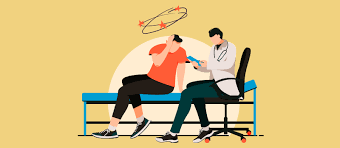
If you think you might have a concussion, it’s important to know when to get medical help.
Some symptoms are mild and improve with rest—but others can signal something more serious. Getting evaluated at the right time can prevent longer recovery or complications.
This guide will help you decide when to monitor symptoms and when to see a doctor.
⚠️ See a Doctor Immediately (Emergency Signs)
Seek urgent or emergency care right away if you have:
- Severe or worsening headache
- Repeated vomiting
- Loss of consciousness
- Seizures
- Slurred speech
- Weakness or numbness
- Increasing confusion or agitation
These symptoms may indicate a more serious brain injury and should not be ignored.
🧠 See a Doctor Soon (Within 24–48 Hours)
You should schedule a medical evaluation if you have:
- Headache that is not improving
- Dizziness or balance problems
- Difficulty concentrating or remembering
- Sensitivity to light or noise
- Feeling “foggy” or slowed down
If you’re unsure whether your symptoms point to a concussion or something less serious, read:
👉 Do I Have a Concussion or Just a Headache?
👉 Talk to a Provider Now⏱ When You Can Monitor Symptoms at Home
You may be able to monitor symptoms if:
- The injury was mild
- Symptoms are improving within 24 hours
- You have no worsening symptoms
- You feel alert and mentally clear
Even in these cases, continue to monitor closely and avoid returning to sports too soon.
🏃 Can You Keep Playing?
No—if a concussion is possible, you should not continue playing.
Returning too soon increases the risk of further injury and longer recovery time.
👉 Can I Play Through This Injury or Should I Rest?
If you’re trying to decide about returning to play: Can I Play After a Concussion?
⚽ Common Causes of Sports-Related Concussions
- Collisions with another player
- Falls or hits to the ground
- Contact sports like football or basketball
- Soccer heading or head-to-head contact
👉 Can Heading a Soccer Ball Cause a Concussion?
🧠 The Mental Side of Concussion Recovery
Concussions don’t just affect your body—they can also affect your focus, mood, and confidence.
Many athletes feel frustrated, anxious, or uncertain during recovery.
If the mental side of recovery is becoming difficult, support can help.
👉 Talk to a Mental Health Provider🛠 Tools That Can Help Support Recovery
These tools may help reduce symptoms and support recovery when used appropriately.
❄️ Pain Relief & Recovery
Cold therapy can help manage headache discomfort after impact.
View Recovery Tools😴 Rest & Recovery Support
A quiet, low-stimulation environment supports healing after a concussion.
View Support Tools🧠 Athlete & Parent Perspective
As a former athlete and now a parent of a student-athlete, head injuries are one area where the decision feels different—and more serious.
With most injuries, athletes are used to pushing through some level of pain. But with a possible concussion, the risk isn’t just about missing time—it’s about protecting your brain and long-term health.
I’ve seen how easy it is in the moment to downplay symptoms, especially in games or competitive situations. Athletes want to stay in, and from a parent or coach perspective, it can be hard to tell how serious it really is.
The reality is that with head injuries, it’s better to be cautious early than to deal with a longer recovery later. What seems mild at first can become more noticeable hours later or the next day.
From both an athlete and parent perspective, the goal is simple: if there’s any doubt, get it checked and take the decision out of guesswork.
🏥 Not Sure What to Do Next?
If you’re unsure whether your symptoms require medical attention, the safest step is to get guidance from a licensed provider.
- ✔ Evaluate your symptoms
- ✔ Confirm whether it’s a concussion
- ✔ Guide your next steps safely
SportsTeleDoc connects you with trusted care options and does not provide medical diagnosis or treatment.
Leave a Reply