
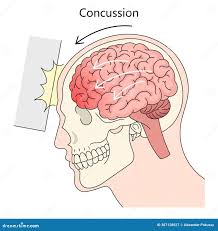
If you recently hit your head and now have a headache, it’s important to know the difference.
Not every headache means a concussion—but some do. The key is understanding your symptoms, how they started, and whether they’re getting better or worse.
This guide will help you quickly figure out what’s more likely—and when you should take it seriously.
Built by an athlete, coach, and parent to help you make the right decision faster.
If you’ve already had a concussion: Can I Play After a Concussion?
🧠 What’s the Difference Between a Concussion and a Headache?
A headache is a symptom. A concussion is a type of brain injury.
Headaches can happen for many reasons:
- Tension or stress
- Dehydration
- Muscle tightness in the neck
- Fatigue
A concussion usually involves:
- A hit to the head or body
- A sudden movement of the brain inside the skull
- Multiple symptoms—not just pain
If your headache started after a hit or collision, you should consider the possibility of a concussion.
⚠️ Signs It May Be a Concussion
Watch for these symptoms, especially after a head impact:
- Headache that does not improve or gets worse
- Dizziness or balance problems
- Confusion or trouble concentrating
- Nausea or vomiting
- Sensitivity to light or noise
- Feeling “foggy” or slowed down
Concussions often involve more than just pain.
If you experienced a sports-related head impact, you may also want to read:
👉 Can Heading a Soccer Ball Cause a Concussion?
🟡 Signs It May Be Just a Headache
Your symptoms may be less serious if:
- The headache is mild and improving
- There was no direct head impact
- You have no dizziness, confusion, or nausea
- You feel normal otherwise
Even then, you should still monitor your symptoms closely.
🚨 When You Should Take It Seriously
You should not ignore symptoms if:
- Your headache is getting worse
- You feel confused or disoriented
- You have trouble remembering things
- You feel off balance
- You were hit hard during sports
If you’re unsure, it’s safer to get checked.
👉 When Should I See a Doctor for a Sports Injury?
⚠️ Not Sure If This Is Serious?
If your symptoms are not improving, getting worse, or affecting how you move, it may be time to get a professional opinion.
- ✔ Understand what’s causing your pain
- ✔ Know if you can safely keep playing
- ✔ Get a clear plan for recovery
⏱ Can You Keep Playing?
No—if a concussion is possible, you should not continue playing.
Continuing to play increases the risk of further injury and longer recovery.
👉 Can I Play Through This Injury or Should I Rest?
Recovery varies, learn more here: How long concussion recovery takes
🧠 The Mental Side of Concussion Recovery
Head injuries can be stressful. Athletes may feel anxious about symptoms, recovery time, or returning to play.
If the mental side of recovery is becoming difficult, support can help.
👉 Talk to a Mental Health Provider🏥 Not Sure What This Is? Start Here
If you’re unsure whether this is a concussion or just a headache, the safest next step is to talk to a provider.
- ✔ Evaluate your symptoms
- ✔ Determine if this is a concussion
- ✔ Guide your next steps safely
SportsTeleDoc connects you with trusted care options and does not provide medical diagnosis or treatment.
Leave a Reply