
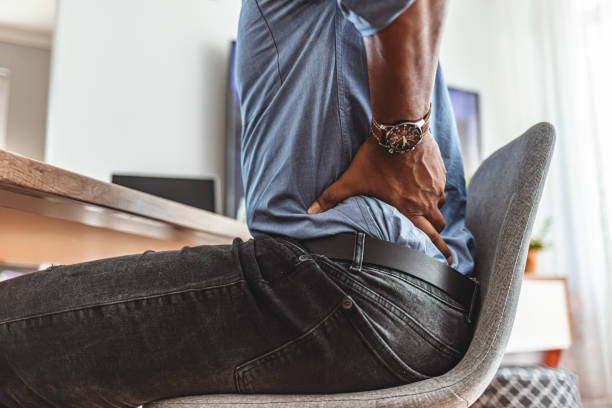
🪑 Why Does My Lower Back Hurt When I Sit?
If you notice lower back pain when sitting — whether in the car, on a plane, or even watching a game — you’re not alone.
But the real question is:
👉 Is this just normal stiffness… or something you shouldn’t ignore?
From experience, this is something I deal with myself.
After getting cut out of the air during my playing days, I had a tailbone injury that seemed to heal — but even now, years later, I still feel it at times when sitting too long.
That’s where a lot of athletes get stuck:
👉 The pain isn’t constant… but it keeps showing up
This guide will help you:
- understand why lower back pain shows up when sitting
- know what it might mean for your body
- figure out when it’s minor vs something to pay attention to
- decide what to do next
🧠 From Experience
As a former athlete and now a parent of a student-athlete, I’ve dealt with many of these same injuries firsthand.
I’ve pushed through pain, dealt with recurring issues like knee tendinitis and shin pain, and even gone through major injuries like Achilles tendon tears that required surgery and long-term rehab.
Now, I see the same challenges with my son — including ankle injuries and knee pain — and the hardest part is often not the injury itself, but knowing what to do next.
👉 That’s why this platform focuses on helping you make the right decision early — before injuries get worse or linger longer than they should.
Common Causes of Lower Back Pain When Sitting
🟢 Muscle Tightness and Posture
Sitting for long periods can cause:
- tight hip flexors
- tight hamstrings
- poor posture
👉 These all increase stress on your lower back
🟡 Residual Injury (Like Tailbone or Impact Injuries)
From experience:
👉 not all injuries fully “go away”
After my tailbone injury, the pain wasn’t always there — but:
- sitting too long
- certain positions
- or long travel
👉 would bring it back
This is common with:
- tailbone injuries
- lower back impact injuries
- older sports injuries
👉 These can linger even when you’re no longer actively playing
🔁 Recurring / Load-Related Pain
This is one of the most important patterns to recognize.
If your pain:
- comes and goes
- shows up in certain situations
- feels better, then returns
👉 That’s not random
👉 It usually means something hasn’t been fully addressed
👉 Read: Why Your Injury Keeps Coming Back
🔴 Disc or Structural Issues (Less Common, More Serious)
In some cases, pain when sitting can be related to:
- disc irritation
- nerve involvement
- deeper structural issues
Warning signs:
- sharp or radiating pain
- numbness or tingling
- pain traveling down the leg
- worsening symptoms
👉 These situations need more attention
⏱️ When Sitting Pain Happens Matters
🪑 After Sitting a Long Time
👉 Often stiffness or muscle-related
✈️ During Travel (Car / Plane)
👉 Posture + prolonged pressure
🔁 Keeps Coming Back
👉 This is where you need to pay attention
⚠️ When Should You Be Concerned?
🟢 Likely Minor
- improves when you move
- not sharp or intense
- doesn’t affect performance
🔴 Worth Paying Attention To
- keeps returning
- getting worse over time
- affecting daily movement or activity
- sharp or radiating pain
👉 This is where most athletes wait too long
❓ Can You Play Through Lower Back Pain?
🟢 Sometimes:
- mild discomfort
- improves with movement
- not limiting performance
🔴 Not recommended:
- worsening pain
- recurring issues
- sharp or nerve-related symptoms
👉 Read: Can You Play Through Injury or Should You Rest?
⚡ What To Do If Sitting Causes Back Pain
🧍 Move More, Sit Less
- take breaks from sitting
- avoid long periods in one position
🧠 Improve Posture
- sit upright
- avoid slouching
- support your lower back
🦵 Strength and Mobility
- core strengthening
- hip mobility
- glute activation
👉 The lower back is often affected by what’s happening around it /abdominal-oblique strain
💧 Recovery Still Matters
From experience:
Even now, when I sit too long or don’t stay active, I feel that same lower back/tailbone discomfort.
👉 Staying active, mobile, and recovered matters — even years later
🧠 What Should You Do Next?
Ask yourself:
👉 Is it improving?
👉 Is it staying the same?
👉 Is it getting worse?
If improving:
Continue movement and recovery habits
If not improving:
You need more clarity before it becomes a bigger issue
🩺 When to Get Help
Consider talking to a provider if:
- pain keeps coming back
- symptoms are getting worse
- you’re unsure what’s causing it
- it’s affecting daily life or activity
👉 Getting clarity early can prevent long-term issues
👉 Talk to a provider:
🛒 Helpful Tools for Back Pain
Some athletes use:
(Add Amazon links naturally here)
🧠 Final Takeaway
Lower back pain when sitting isn’t always serious — but it’s also not something to ignore.
👉 The biggest mistake athletes make:
- ignoring recurring pain
- assuming it’s normal
- not addressing the cause
From experience:
👉 Injuries — especially impact injuries like tailbone issues — can show up later in ways you don’t expect
If your symptoms are improving, you’re likely on the right track.
If they’re not — getting clarity now can save you time, frustration, and long-term problems.
👉 Start here → /get-help
Leave a Reply