
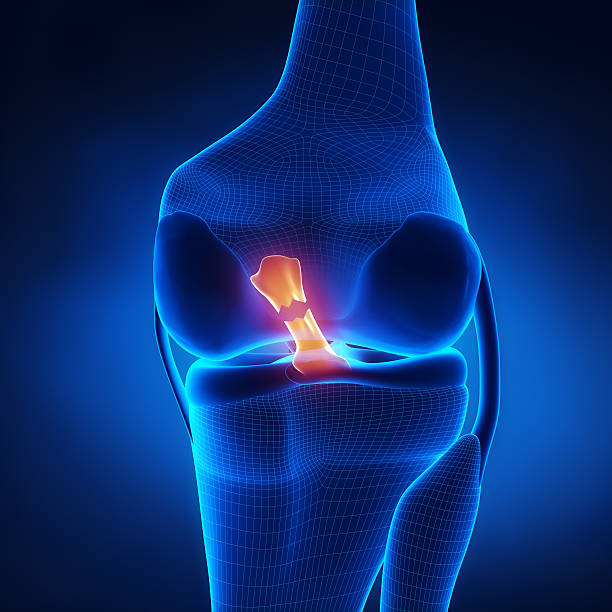
Knee pain from basketball is common — but not all knee pain is the same.
If you’ve played long enough, you’ve seen it:
- someone grabs their knee after a cut
- someone hears a “pop”
- someone is out for months
👉 The real question is: is your knee pain something minor… or something more serious like an ACL or meniscus injury?
This guide helps you understand the difference, what to look for, and what to do next.
Why Knee Injuries Happen in Basketball
From experience, basketball puts constant stress on the knee through:
- jumping and landing
- cutting and changing direction
- sudden stops
- contact and collisions
Over time, that stress can lead to:
- overuse issues (like tendinitis)
- or more serious injuries like ligament or cartilage damage
👉 These movement patterns also connect with:
ACL vs Meniscus: What’s the Difference?
Understanding this is critical.
ACL Injury (More Serious)
The ACL (anterior cruciate ligament) stabilizes your knee.
Common signs:
- a “pop” at the time of injury
- immediate swelling
- instability (knee feels like it gives out)
- difficulty continuing to play
From an athlete’s perspective, this is usually not something you can push through.
I’ve had teammates deal with ACL injuries — and it’s one of those injuries that completely changes your timeline.
Meniscus Injury (Can Vary)
The meniscus is cartilage that cushions your knee.
Common signs:
- pain with twisting or bending
- swelling (often later, not immediate)
- clicking or locking sensation
- stiffness
👉 Some athletes try to play through this — but it can get worse if ignored.
👍 Is This Minor… or Something More?
This is the decision point.
More likely manageable:
- soreness after activity
- stiffness that improves as you warm up
- pain that improves with rest
⚠️ When to Pay Closer Attention:
- swelling in the knee
- instability or giving out
- sharp pain with movement
- locking or catching sensation
- pain not improving after 1–2 weeks
👉 From experience, this is where athletes usually wait too long — hoping it goes away instead of checking it.
What You Can Do Right Now
If your symptoms are mild and improving:
Reduce Impact
Limit jumping, cutting, and high-stress movements.
Ice and Control Swelling
Apply ice after activity.
Improve Mobility
Focus on:
- quads
- hamstrings
- calves
Strengthen Supporting Muscles
Build strength in:
- quads
- glutes
- core
👉 This is similar to managing knee tendinitis from basketball
Tools That Can Help Support Recovery
These won’t fix structural injuries, but they can help support symptoms:
- 👉 Knee compression sleeve for support (check price on Amazon)
- 👉 Reusable ice pack wrap for knees (view on Amazon)
- 👉 Foam roller for muscle recovery (see options on Amazon)
🩺 When I’d Take Knee Pain Seriously
This is where you need to be honest.
If your knee:
- feels unstable
- is swelling significantly
- is locking or catching
- or isn’t improving
…it’s worth getting clarity before continuing to play.
From experience, I’ve seen teammates try to push through knee injuries — and that usually makes the recovery longer, not shorter.
👉 If you’re unsure what you’re dealing with:
You can talk to a licensed provider online to:
- understand if it’s ligament, cartilage, or overuse
- get guidance on next steps
- avoid making the injury worse
👉 Get help here → /get-help
How to Help Prevent Serious Knee Injuries
You can’t prevent everything — but you can reduce risk:
- strengthen legs and core
- improve landing mechanics
- avoid overtraining
- warm up properly
- stay consistent with recovery
👉 This also helps reduce risk of:
External Reference
According to the Mayo Clinic, knee injuries involving ligaments or cartilage often require evaluation when instability, swelling, or mechanical symptoms are present.
Related Injury Guides
- Knee tendinitis from basketball
- When to see a doctor
- Can I play through this
- Is my injury serious
- Ankle sprain recovery timeline
- Soft tissue injuries
- Why does my leg hurt when I run
- Shin splints treatment
Final Thoughts
Knee pain from basketball is common — but serious knee injuries are different.
Most soreness and overuse issues improve with the right approach.
But ACL and meniscus injuries don’t usually fix themselves.
👉 The key is knowing the difference early.
If your symptoms are improving, you’re likely on the right track.
If they’re not, getting clarity now can save you months later.
👉 Take the next step → /get-help serious cases may take several weeks with proper treatment.
Leave a Reply to Calf Pain After Running: Causes, Treatment, and When to Worry Cancel reply