
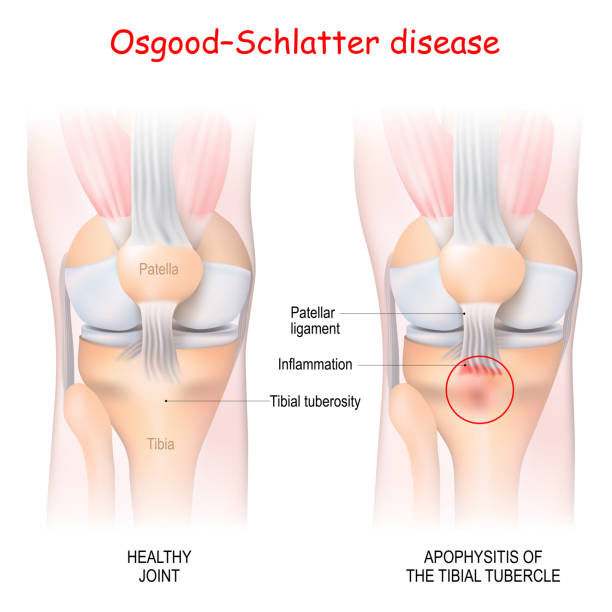
Knee tendinitis from basketball — often called jumper’s knee — is one of the most common overuse injuries in athletes who jump, sprint, and change direction frequently.
If you’re feeling pain just below your kneecap, the key question is:
👉 Is this something you can manage, or is it turning into a longer-term problem?
This guide breaks down what knee tendinitis is, why it happens, how to treat it, and when you shouldn’t ignore it.
Recovery can vary, so it’s important to understand knee tendinitis recovery time for basketball players and what to expect.
What Is Knee Tendinitis (Jumper’s Knee)?
Knee tendinitis happens when the patellar tendon becomes irritated from repeated stress.
This tendon connects your kneecap to your shinbone and plays a major role in:
- jumping
- sprinting
- explosive movement
Basketball players are especially at risk due to:
- frequent jumping
- hard landings
- sudden direction changes
- high training volume
Over time, this repeated stress leads to tendon irritation and pain.
👉 Return to Knee Pain Guide
Symptoms of Knee Tendinitis from Basketball
Knee tendinitis has a very specific pattern compared to general knee pain.
Common signs include:
- pain just below the kneecap
- pain during jumping or running
- stiffness after activity
- tenderness along the tendon
- pain that gradually worsens
👉 Unlike general knee pain, this is usually localized to one spot
👉 It may also overlap with broader issues like:
- knee pain from basketball
- soft tissue injuries
What Causes Knee Tendinitis in Athletes?
From experience, this usually builds over time — not from one play.
Common causes include:
- overuse without enough recovery
- tight quadriceps or hamstrings
- weak glutes or hips
- poor jumping or landing mechanics
- playing on hard surfaces
👉 These same patterns often contribute to issues like:
👍 Is This Manageable… or Getting Worse?
This is the decision point.
More likely manageable:
- mild soreness after activity
- stiffness that improves as you warm up
- pain that improves with rest
⚠️ When to Pay Closer Attention:
- pain lasting more than 1–2 weeks
- symptoms getting worse over time
- pain affecting performance
- sharp pain during jumping or landing
👉 These are signs the tendon may be under more stress than it can handle
What You Can Do Right Now
If you catch this early, most athletes can manage it effectively.
Reduce High-Impact Activity
Limit jumping and explosive movements that aggravate the tendon.
Ice After Activity
Helps manage irritation and inflammation.
Improve Flexibility
Focus on:
- quadriceps
- hamstrings
- calves
Strengthen Supporting Muscles
Key areas:
- glutes
- hips
- core
Exercises like squats, lunges, and glute bridges help reduce stress on the tendon.
Tools That Can Help Support Recovery
These don’t fix the root issue, but they can help you manage symptoms and stay consistent:
- 👉 Knee compression sleeve for support (check price on Amazon)
- 👉 Reusable ice pack wrap for knees (view on Amazon)
- 👉 Foam roller for muscle recovery (see options on Amazon)
🩺 When I’d Take Knee Tendinitis More Seriously
This is where you need to be honest with your situation.
If your pain:
- isn’t improving
- is getting worse
- or is limiting your ability to play
…it’s worth getting clarity before it turns into a chronic issue.
Tendon problems can linger if ignored — and recovery takes longer the further it progresses.
For a full breakdown of knee pain and what it means, see the complete knee pain guide.
👉 If you’re unsure what you’re dealing with:
You can talk to a licensed provider online to:
- understand how severe it is
- get guidance on treatment
- avoid making it worse
👉 Get help here → /get-help
Knee Tendinitis vs General Knee Pain
Understanding this difference helps guide your next step.
- General knee pain → broader, multiple possible causes
- Knee tendinitis → specific pain below the kneecap tied to activity
👉 Learn more in:
knee pain from basketball and recovery
External Reference
According to the Mayo Clinic, patellar tendinitis is commonly caused by overuse and repetitive stress, especially in athletes who perform frequent jumping activities.
Related Injury Guides
- Knee pain from basketball
- Is my injury serious
- Ankle sprain recovery timeline
- Can I play through this?
- Calf pain after running
- Soft tissue injuries
- Why does my leg hurt.
- When should you see a doctor
Final Thoughts
Knee tendinitis from basketball is common — but it’s also one of those injuries that can stick around if you ignore it.
Most athletes can manage it early with the right adjustments.
But if it’s not improving, the smartest move is getting clarity before it becomes a long-term issue.
👉 Take the next step → /get-help


Leave a Reply to 4stn8 Cancel reply