
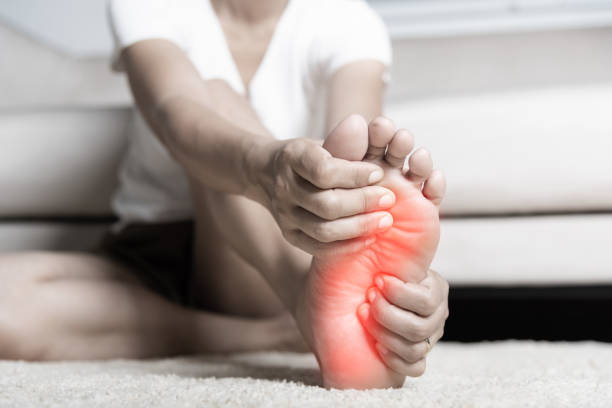
Foot pain when running is one of the most common issues athletes deal with — and one of the easiest to ignore until it turns into something bigger.
You might notice it mid-run, after training, or even the next morning when you step out of bed.
The hard part isn’t just the pain — it’s figuring out what it means.
- Is this normal soreness?
- Can you keep running?
- Or is this the kind of pain that gets worse if you push through it?
This guide will help you understand what’s going on and what to do next.
📌 Quick Answer
Foot pain when running is usually caused by overuse, tight calf muscles, poor footwear, or conditions like plantar fasciitis or stress fractures. Mild pain may improve with rest and stretching, but sharp or worsening pain should not be ignored.
🧠 Why You Get Foot Pain When Running
Running puts repeated stress on your feet — every step creates impact through your muscles, tendons, and bones.
Most foot pain comes down to a few common issues:
- Doing too much too quickly (mileage, intensity, surface)
- Tight calves or Achilles limiting movement
- Worn-out or unsupportive shoes
- Not enough recovery between workouts
From an athlete perspective, this is where a lot of injuries start — not from one moment, but from small stress building over time.
📍 Where Is Your Foot Pain?
The location of your pain can tell you a lot about what’s going on.
🔵 Bottom of Foot (Arch or Heel)
Often linked to plantar fasciitis
- Pain with first steps in the morning
- Tight, sore feeling after running
👉 (Related: Heel pain when running — coming soon)
🔵 Top of Foot
Often related to:
- Lace pressure
- Early stress injury
👉 See: /stress-fracture-symptoms
🔵 Back of Heel
Usually tied to Achilles tightness or irritation
👉 See: /achilles-stretching
🔵 Outer Foot
May be caused by:
- Overuse
- Running mechanics
- Surface changes
⚠️ Common Causes of Foot Pain When Running
1. Overuse (Most Common)
Increasing training too quickly is the #1 cause.
👉 See: /shin-pain-when-running
2. Poor Footwear
Shoes lose support over time — even if they look fine.
3. Tight Calves & Achilles
Limited flexibility shifts stress into the foot.
👉 See: /calf-pain-running
4. Stress Injuries
Repeated impact can lead to small bone injuries.
👉 See: /stress-fracture-symptoms
🚨 Is Foot Pain From Running Serious?
Here’s a simple way to think about it:
🟢 Usually Not Serious
- Mild soreness
- Improves as you warm up
- No swelling
🔴 More Concerning
- Sharp or pinpoint pain
- Pain getting worse over time
- Pain at rest
- Swelling or bruising
👉 Read: /injury-serious-or-soreness
🏃 Can You Keep Running With Foot Pain?
This is where most athletes get stuck.
You may be OK to continue if:
- Pain is mild (1–3/10)
- Doesn’t affect your form
- Improves during activity
You should stop if:
- Pain is sharp or worsening
- You’re limping
- Pain lingers after activity
👉 Read: /can-you-play-through-injury
⏳ How Long Does Foot Pain Take to Heal?
- Mild overuse: a few days to 1–2 weeks
- Moderate irritation: 2–4 weeks
- Stress-related injuries: 6+ weeks
👉 See: /shin-splints-recovery-timeline
🛠️ What You Can Do Right Now
✔️ Reduce impact
Cut back on running volume and intensity
✔️ Ice after activity
10–15 minutes can help calm inflammation
✔️ Stretch your calves and foot
Especially after activity
✔️ Check your shoes
If they’re worn out, they’re part of the problem
🧰 Tools That Can Help Support Recovery
🔁 Why Foot Pain Keeps Coming Back
Recurring pain usually means something hasn’t been fully addressed:
- Returning too quickly
- Ignoring early warning signs
- Underlying mechanics or mobility issues
👉 Read: /shin-pain-recurring
❗ When Should You See a Doctor?
- Pain lasts longer than 1–2 weeks
- Pain is getting worse
- You suspect a stress fracture
- You can’t run without limping
👉 Read: /when-to-see-doctor-sports-injury
🧠 Athlete Perspective
As a former athlete and parent of a student-athlete, this is one of the most common patterns you see — foot pain starts small, gets ignored, and then suddenly forces time off.
The difference is usually not toughness — it’s timing.
Adjusting early is what keeps you playing long-term.
🧭 Not Sure What to Do Next?
Start here:
🚑 Need Help Right Now?
If your foot pain isn’t improving — or you want clarity on what to do next:
👉 Talk to a provider about your injury → /get-help
Leave a Reply