
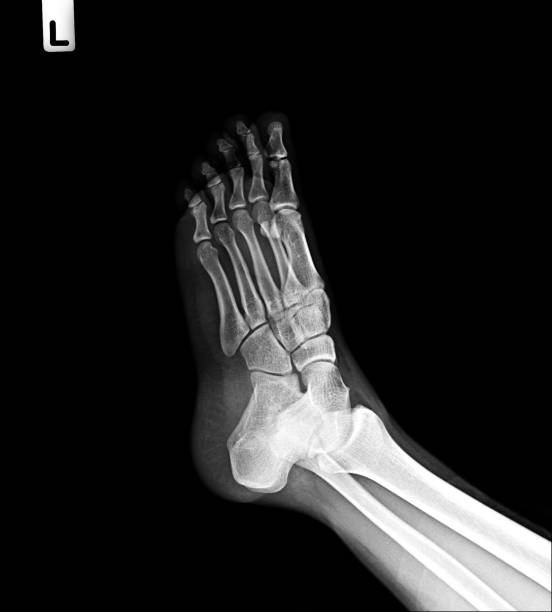
Foot injuries are common in athletes — especially in sports that involve running, cutting, and jumping.
But not all foot pain is the same.
👉 Some injuries are manageable… others can seriously impact your ability to play if missed early.
This is especially true with injuries like 5th metatarsal fractures and Lisfranc injuries, which can look minor at first but become major problems if ignored.
Why Foot Injuries Matter More Than You Think
From experience, foot injuries are often underestimated.
I’ve seen it firsthand — a college teammate of mine dealt with a 5th metatarsal issue that never fully resolved and may have derailed his path to the pros.
👉 That’s the reality with these injuries — if you miss them early, they can linger.
Common Foot Injuries in Athletes
Foot injuries can range from mild to serious:
- 5th metatarsal fractures
- Lisfranc (midfoot) injuries
- stress fractures
- soft tissue injuries
👉 Some improve with rest — others need proper evaluation to avoid long-term issues
What Is a 5th Metatarsal Fracture?
This injury involves a break in the long bone on the outside of your foot.
It’s common in athletes due to:
- rolling the foot inward
- sudden direction changes
- awkward landings
- repetitive stress
Symptoms:
- pain on the outer foot
- swelling or bruising
- difficulty walking
- tenderness in one specific spot
👉 From an athlete’s perspective, this often starts as something you try to “play through” — which is where problems begin.
What Is a Lisfranc Injury?
A Lisfranc injury affects the midfoot and can involve ligaments, bones, or both.
These are less common — but more serious.
Causes:
- twisting with the foot planted
- collisions
- awkward landings
Symptoms:
- pain in the middle of the foot
- swelling and bruising
- pain when standing
- feeling of instability
👉 These are often missed early because they don’t always look severe right away.
👍 Is This Minor… or Something More?
This is the most important part.
More likely manageable:
- mild soreness that improves
- no major swelling
- able to walk without significant pain
⚠️ When to Pay Closer Attention:
- pain that isn’t improving
- pain in one exact spot (especially outer foot)
- difficulty bearing weight
- swelling or bruising
- pain that worsens with activity
👉 These are signs it may be more than a minor injury
What You Can Do Right Now
If symptoms are mild and improving:
Reduce Activity
From experience, pushing through foot pain usually makes recovery take longer.
Ice and Manage Swelling
Helps reduce inflammation early.
Support the Foot
Limit unnecessary stress during movement.
Gradual Return
Only increase activity once symptoms improve.
👉 This is similar to managing injuries like:
- ankle sprain recovery timeline
- Achilles tendon stretching issues
- calf pain after running
Tools That Can Help Support Recovery
These can help reduce stress and support healing:
- 👉 Arch support insoles for foot stability (check price on Amazon)
- 👉 Walking boot for foot injury support (view on Amazon)
- 👉 Ice pack wrap for foot and ankle recovery (see options on Amazon)
🩺 When I’d Take This Seriously
This is where athletes need to be honest.
If your pain:
- isn’t improving
- is getting worse
- or is affecting your ability to walk or play
…it’s worth getting it checked.
From experience — and seeing others go through it — this is not something you want to guess on.
👉 If you’re unsure what you’re dealing with:
You can talk to a licensed provider online to:
- understand if it’s a minor issue or fracture
- get guidance on next steps
- avoid long-term problems
👉 Get help here → /get-help
How to Prevent Foot Injuries
To reduce risk:
- wear proper footwear
- strengthen foot and ankle muscles
- warm up before activity
- increase intensity gradually
External Reference
According to the American Academy of Orthopaedic Surgeons, early diagnosis and proper treatment are critical in preventing long-term complications from foot injuries.
Related Injury Guides
- Knee pain from basketball
- When to see a doctor
- Is my injury serious
- Shin splints vs stress fracture
- Ankle sprain recovery timeline
- Achilles tendon stretching and prevention
- Soft tissue injuries
- Why does my leg hurt when I run
Final Thoughts
Foot injuries can seem minor at first — but some of them aren’t.
Most athletes try to push through foot pain longer than they should.
But with injuries like 5th metatarsal fractures or Lisfranc injuries, early action matters.
If it’s improving, you’re likely on the right track.
If it’s not, getting clarity early can make all the difference.
👉 Take the next step → /get-help
Leave a Reply