
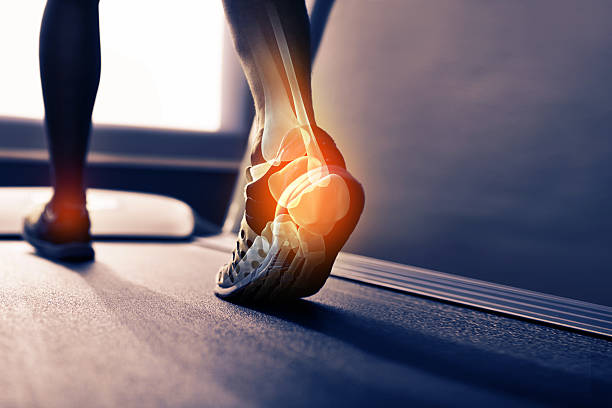
Achilles tendon stretching is one of the most important — and most overlooked — parts of staying healthy as an athlete.
If you run, jump, or play sports like basketball, your Achilles tendon takes on a huge amount of stress every day.
The real question is:
👉 Are you just tight… or are you starting to develop a problem?
This guide will help you understand how to use Achilles tendon stretching to prevent injury, what to watch for, and when it’s time to take symptoms seriously.
🧠 From Experience
As a former athlete, I dealt with recurring knee pain and shin pain from constant training — including running daily and practicing twice a day in college.
At the time, I often pushed through it without fully understanding whether it was something minor or something that needed attention.
Later in life, I dealt with more serious injuries, including tearing both Achilles tendons, which required surgery and long-term recovery.
Now as a parent of a student-athlete, I see how common this same confusion is — not knowing whether to rest, push through, or get help.
👉 That’s the gap this platform is built to solve.
Why Achilles Tendon Stretching Matters
The Achilles tendon connects your calf muscles to your heel and is responsible for:
- pushing off when running
- jumping and landing
- explosive movement
From experience, this is one of those areas athletes don’t think about — until it starts to hurt.
Tightness in this area increases stress on the tendon and can lead to:
- irritation
- inflammation
- long-term tendon issues
👉 This often shows up alongside:
- calf pain after running
- ankle sprain recovery issues
- why your leg hurts when running
What Causes Achilles Problems?
Most Achilles issues don’t happen all at once — they build over time.
Common causes include:
- overuse from running or jumping
- tight calf muscles
- poor flexibility
- sudden increases in activity
- inadequate warm-up
From an athlete’s perspective, this is usually where people get it wrong — pushing through tightness instead of addressing it early.
Best Achilles Tendon Stretching Exercises
If your symptoms are mild, stretching can make a big difference.
1. Standing Calf Stretch
Hands on a wall, back leg straight, heel down. Targets the Achilles and upper calf.
2. Bent-Knee Calf Stretch
Same position, but bend the back knee slightly to hit deeper muscles.
3. Heel Drop Stretch
Stand on a step and slowly lower your heel below the step level. One of the most effective movements.
4. Seated Towel Stretch
Pull your foot gently toward you while seated to stretch the tendon and calf.
👉 From experience, consistency matters more than intensity here — small daily work beats occasional aggressive stretching.
Tools That Can Help Support Recovery
These won’t fix everything, but they help manage tightness and keep you consistent:
- 👉 Stretching strap for Achilles and calf flexibility (check price on Amazon)
- 👉 Calf compression sleeve for Achilles support (view on Amazon)
- 👉 Foam roller for calf and muscle recovery (see options on Amazon)
👍 Is This Just Tightness… or Something More?
This is where athletes need to be honest.
More likely manageable:
- tightness that improves with movement
- mild soreness after activity
- stiffness that loosens as you warm up
⚠️ When to Pay Closer Attention:
- pain that keeps coming back
- pain during activity (not just after)
- swelling or tenderness
- increasing stiffness over time
👉 This is often the stage before more serious Achilles problems develop
🩺 When I’d Take Achilles Pain Seriously
This is the part most people overlook — and where experience matters.
I’ve personally dealt with a torn Achilles (after my playing career), and one thing I can tell you:
👉 These injuries don’t usually come out of nowhere — there are warning signs.
If your pain:
- isn’t improving
- is getting worse
- or is affecting how you move
…it’s worth getting clarity before it turns into something more serious.
👉 If you’re unsure what you’re dealing with:
You can talk to a licensed provider online to:
- understand if it’s just tightness or early injury
- get guidance on recovery
- avoid making it worse
👉 Get help here → /get-help
How to Prevent Achilles Injuries
Stretching is just one part of prevention.
To stay healthy:
- warm up before activity
- stretch consistently
- strengthen calf muscles
- avoid sudden increases in intensity
- wear proper footwear
👉 This is similar to preventing issues like knee pain from basketball and other overuse injuries.
External Reference
According to the Mayo Clinic, tight calf muscles and repetitive stress are major contributors to Achilles tendon injuries, especially in active individuals.
Related Injury Guides
- Calf pain after running
- Ankle sprain recovery timeline
- Knee pain from basketball
- Soft tissue injuries
- Is my injury serious
- When to see a doctor
Final Thoughts
Achilles tendon stretching is one of the simplest ways to prevent injury — but it only works if you stay consistent.
Most athletes ignore this area until it becomes a problem.
If your symptoms are improving, you’re likely on the right track.
If they’re not, getting clarity early can prevent a much longer setback.
👉 Take the next step → /get-help
Leave a Reply to Shin Splints Treatment: How to Relieve Pain and Recover Faster Cancel reply