
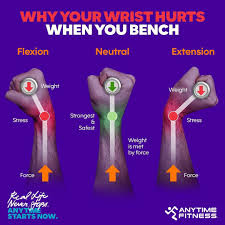
Wrist pain after lifting is common—especially when training hard in the offseason—but it’s not something you should ignore.
Heavy lifting puts a lot of stress on the wrist joint. Sometimes it’s simple soreness from load or positioning. Other times, it’s a sign of irritation or strain that can get worse if you keep pushing through.
This guide will help you understand why your wrist hurts after lifting—and what to do about it.
Not sure if your wrist pain is something to worry about?
Get clear next steps based on your symptoms.
👉 Get Help🏋️ Common Causes of Wrist Pain After Lifting
Wrist pain after lifting is usually related to how the joint handles load, position, and repetition.
- Excessive load – lifting heavier than your wrist can tolerate
- Poor wrist positioning – bending the wrist too far back or forward under load
- Repetitive strain – frequent pressing or gripping movements
- Grip fatigue – especially with deadlifts or pulling exercises
- Lack of wrist stability – weak supporting muscles
If your pain happens during lifting rather than after, you may want to also monitor how your wrist feels during each rep.
Looking for the bigger picture on upper body injuries?
Shoulder, elbow, wrist, and throwing-related pain can come from overuse, mechanics, weakness, or impact. See our Upper Body Injury Guide for a full breakdown of causes, related injuries, and what to do next.
⚠️ When Wrist Pain Is More Than Normal Soreness
Some symptoms suggest more than simple lifting soreness:
- Sharp pain during lifts
- Pain that lingers for days
- Swelling around the wrist
- Weak grip strength
- Pain with everyday activities (opening doors, pushing up)
If the pain is persistent or affecting function, it’s a sign to take it seriously.
👉 Talk to a Provider Now🏃 Can You Keep Lifting?
It depends on how your wrist responds to load.
- Mild soreness that improves → you may continue with adjustments
- Pain during lifts → reduce load or stop the movement
- Pain affecting grip or control → stop and reassess
If you’re unsure whether to push through or rest:
👉 Can I Play Through This Injury or Should I Rest?
🛠 How to Reduce Wrist Pain When Lifting
- Keep wrists in a neutral position during lifts
- Reduce weight temporarily
- Use controlled movements (avoid sudden loading)
- Strengthen forearms and wrist stabilizers
- Avoid exercises that cause sharp pain
Small adjustments in form and load can make a big difference quickly.
🚨 When to See a Doctor
You should consider medical evaluation if:
- Pain is not improving after rest
- There is swelling or persistent weakness
- You have pain with daily activities
- You are unsure what is causing the pain
👉 When Should I See a Doctor for a Sports Injury?
⚠️ Not Sure If This Is Serious?
If your symptoms are not improving, getting worse, or affecting how you move, it may be time to get a professional opinion.
- ✔ Understand what’s causing your pain
- ✔ Know if you can safely keep playing
- ✔ Get a clear plan for recovery
🛠 Tools That Can Help Support Recovery
🦵 Support & Stability
Wrist wraps or supports can help stabilize the joint during lifting.
View Support Options❄️ Pain Relief & Recovery
Cold therapy can help reduce soreness after workouts.
View Recovery Tools🏋️ Strength & Rehab
Grip and forearm tools can help improve wrist strength and stability.
View Rehab Tools🏀 Athlete & Parent Perspective
As a former athlete—and now watching my son train—this is something I’ve seen a lot, especially in the offseason when lifting gets heavier.
I remember going through phases where wrist soreness just felt like part of getting stronger. When you’re pushing weight, competing, and trying to improve, it’s easy to ignore smaller pains.
But what stands out over time is how often wrist pain starts small and then lingers if it’s not addressed early. I’ve seen it affect grip strength, confidence in lifts, and even carry over into performance on the court.
The key is recognizing when it’s normal soreness versus something that’s not improving. If your wrist is affecting how you lift or how confident you feel under the bar, that’s usually the signal to adjust.
The goal isn’t just to lift heavier today—it’s to stay strong and healthy through the entire season.
Not Sure What to Do Next?
If you’re dealing with pain and unsure whether to rest, keep playing, or get help, start with these decision guides:
- Is this injury serious or just soreness?
- Should you rest or keep playing?
- When should you see a doctor for a sports injury?
Still unsure? Getting clarity early can help you avoid making the injury worse.
👉 Get Help NowSportsTeleDoc connects you with trusted care options and does not provide medical diagnosis or treatment.
Leave a Reply