
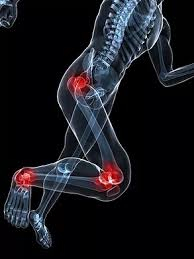
When a child says their legs hurt, knees ache, or something feels sore after sports, one of the first questions parents ask is simple:
👉 Is this just growing pains — or is it an actual injury?
This is one of the most common areas of confusion in youth sports, because pain during growth can be real, recurring, and still easy to dismiss.
👉 This guide will help you understand the difference between normal growing pains and a more concerning injury pattern.
📌 Quick Answer
Growing pains are usually generalized, come and go, and are not tied to one exact injury point or movement problem.
An injury is more concerning when pain is specific, recurring in the same location, worsens with activity, or affects movement.
👉 If the pain has a pattern, a location, or changes the way your child moves, think beyond “just growing pains.”
Looking for the bigger picture as a sports parent?
Youth sports injuries can be harder to judge because kids may keep playing through pain or struggle to explain what feels wrong. See our Youth Sports Injury Guide for Parents for a full breakdown of common concerns, warning signs, and what to do next.
🧠 Why This Is So Confusing
Parents hear “growing pains” all the time, and sometimes that label gets applied too broadly.
But not all pain during childhood or adolescence is the same.
Some discomfort is part of activity, growth, and soreness. Other pain is a sign of overuse, growth plate stress, or an injury that should not be ignored.
👉 The challenge is that the early stages can sound very similar — especially in active kids.
🧠 Athlete & Parent Perspective
As a parent, this is one of the easiest traps to fall into.
You want to believe it is something simple and temporary. Your child wants to keep playing. And the pain may not seem dramatic at first.
But one of the biggest lessons from youth sports is that patterns matter more than labels.
👉 If pain keeps returning, shows up in the same place, or starts to affect performance, it deserves a closer look.
🟢 What Growing Pains Usually Look Like
Growing pains tend to be more general and less tied to one exact injury pattern.
- aching in both legs rather than one exact spot
- symptoms that come and go
- pain more noticeable later in the day or at night
- normal walking, running, and play during the day
- no swelling or limping
👉 Growing pains are usually uncomfortable, but they typically do not change movement or stop normal activity.
🔴 What an Injury Looks More Like
An injury or overuse problem is more likely when the pain:
- is in one specific location
- gets worse with activity
- comes back in the same area again and again
- causes limping or hesitation
- affects jumping, running, cutting, or landing
👉 This is much more consistent with an injury pattern than simple growing pains.
👉 Related guide: Is my child’s injury serious?
📍 Common Areas Parents Mistake for “Growing Pains”
Knee Pain
Knee pain from jumping, growth-related stress, or overuse is often brushed off as soreness — but if it keeps showing up in the same spot, that matters.
Heel Pain
Heel pain in active kids is one of the most common examples of pain that gets minimized early.
Shin and Lower Leg Pain
Repeated shin pain is often blamed on normal activity soreness, even when it is becoming a real overuse issue.
🔍 The Fastest Way to Tell the Difference
Ask these questions:
- Is the pain in one specific location?
- Does it happen during sports or activity?
- Is it affecting movement?
- Does it keep coming back?
👉 The more “yes” answers you have, the less likely it is to be simple growing pains.
👉 Still unsure whether this is growing pain or an injury? this guide helps you evaluate symptoms more clearly.
📍 Is It Affecting Movement?
This is often the biggest clue.
🟢 More Reassuring
- normal walking and running
- no limp
- no hesitation in movement
🔴 More Concerning
- limping
- favoring one side
- avoiding certain movements
- reduced performance
👉 If the pain changes movement, it deserves more than a wait-and-see approach.
🛠️ What Parents Can Do Right Away
- ask exactly where the pain is
- watch how your child moves during activity
- reduce load if symptoms are recurring
- avoid treating every repeated pain complaint as normal growth
- track whether symptoms improve or return
👉 Clarity starts with noticing the pattern, not just the pain.
❗ When to Be More Concerned
- pain keeps returning in the same spot
- pain worsens with activity
- there is limping or hesitation
- your child cannot perform normally
- symptoms last longer than expected
👉 Related guide: When should my child see a doctor?
🔁 Why This Matters
When injury patterns are repeatedly labeled as “growing pains,” kids often keep loading the same irritated area.
That is how mild problems can become recurring ones.
👉 Related guide: Why does my child’s pain keep coming back?
🧠 A Smarter Way to Think About It
Growing pains are usually more general, less specific, and not disruptive to movement.
Injuries are more likely to have a pattern, a location, and an impact on performance.
👉 The question is not “Is this pain real?”
👉 The question is “What kind of pattern is this creating?”
🧭 Not Sure What to Do Next?
If you are unsure whether your child is dealing with growing pains or a more concerning injury, start here:
- Is my child’s injury serious?
- Growth plate injuries in young athletes
- When should my child see a doctor?
👉 If you’re still unsure what your child’s pain means, telehealth can help you get guidance early.
🔚 Final Thoughts
Not all pain in growing kids is “just growing pains.”
If the symptoms are general, brief, and not affecting movement, that is more reassuring.
If the pain is specific, recurring, and changing the way your child moves or performs, it is worth taking more seriously.
👉 The earlier parents recognize the pattern, the easier it is to protect both development and confidence.
👉 Return to: Youth Sports Injuries Guide
Leave a Reply