Growth plate injuries are one of the most common — and most confusing — causes of pain in young athletes.
If your child is dealing with pain near the knee, heel, ankle, or shoulder, you may be wondering:
👉 Is this normal soreness from activity — or something related to growth?
Growth plate issues are unique to kids and teenagers, and they often get mistaken for “just soreness” until they start affecting performance or movement.
👉 This guide will help you understand what growth plate injuries are, what to watch for, and when parents should take a closer look.
📌 Quick Answer
Growth plate injuries happen in areas where bones are still developing in children and teens. Pain is often related to activity, repeated stress, or rapid growth.
They are usually not emergencies — but they should not be ignored if pain is persistent, worsening, or affecting movement.
👉 If your child is limping, avoiding activity, or experiencing repeated pain in the same area, it is worth paying attention early.
Looking for the bigger picture as a sports parent?
Youth sports injuries can be harder to judge because kids may keep playing through pain or struggle to explain what feels wrong. See our Youth Sports Injury Guide for Parents for a full breakdown of common concerns, warning signs, and what to do next.
🧠 What Is a Growth Plate?
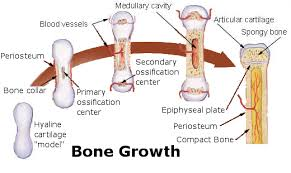
Growth plates are areas of developing tissue at the ends of long bones in children and adolescents.
These areas are softer and more vulnerable than fully developed bone, which makes them more prone to irritation or injury during periods of growth.
As your child matures, these growth plates eventually close and become solid bone.
👉 Until then, they are one of the most common sources of sports-related pain in young athletes.
👉 Parents often have similar concerns around training and growth. Learn more here:
Is weightlifting safe for kids?
🧠 Athlete & Parent Perspective
As both an athlete and a parent, this is one of the most misunderstood areas of youth sports injuries.
Pain gets labeled as “just growing pains” or “just soreness,” and kids often continue to play through it.
Over time, that same pain can start to affect movement, confidence, and performance.
👉 The key difference is recognizing when pain is normal — and when it is coming from a growth-related stress point that needs attention.
📍 Common Growth Plate Injury Areas
🦵 Knee (Osgood-Schlatter)
Pain just below the kneecap, often in jumping or running athletes.
🦶 Heel (Sever’s Disease)
Heel pain in active kids, especially during running or sports with a lot of impact.
🦶 Ankle and Foot
Pain around joints that may worsen with activity or repeated stress.
👉 These are some of the most common areas where parents notice recurring pain.
🚨 Growth Plate Injury Symptoms
Growth plate issues often look different than typical soreness.
- pain in a specific location (not general soreness)
- pain that increases with activity
- tenderness when touching the area
- limping or favoring one side
- pain that comes back repeatedly
👉 These patterns are important — especially if they continue over time.
🔍 Soreness vs Growth Plate Pain
🟢 More Likely Soreness
- both sides of the body
- improves within 1–3 days
- no change in movement
🔴 More Likely Growth Plate Issue
- one specific location
- pain with activity
- repeated symptoms
- movement changes (limping, avoiding activity)
👉 Related: Is my child’s injury serious?
📍 The Key Question: Is It Affecting Movement?
This is one of the most important ways to evaluate pain.
🟢 Less Concerning
- normal walking and running
- no hesitation with movement
🔴 More Concerning
- limping
- avoiding certain movements
- reduced performance
👉 If pain is changing how your child moves, it deserves more attention.
⏱️ How Long Do Growth Plate Issues Last?
These injuries can vary depending on activity level and how early they are addressed.
- mild cases: improve with rest and modification
- moderate cases: may last weeks if activity continues
- recurring cases: can persist if not managed properly
👉 The earlier you adjust activity, the easier recovery usually is.
🛠️ What Parents Can Do Right Away
- reduce high-impact activity temporarily
- monitor for limping or movement changes
- use ice after activity if irritated
- avoid pushing through sharp pain
- track patterns (when pain occurs and improves)
👉 Early adjustments can prevent longer-term issues.
❗ When Parents Should Be More Concerned
- pain is getting worse
- pain lasts longer than several days
- limping is present
- pain keeps returning
- your child cannot perform normally
👉 When should my child see a doctor?
🧠 Support for Worried Athletes and Parents
Injuries can create stress for both athletes and parents—especially when you are unsure how serious the injury is or what to do next.
If the stress around injury and recovery is becoming overwhelming, talking to a licensed mental health provider may help.
👉 Talk to a Mental Health Provider🔁 Why Growth Plate Pain Keeps Coming Back
This type of pain often returns when:
- activity continues without adjustment
- early warning signs are ignored
- growth and training load overlap
👉 Why injuries keep coming back
🧠 A Smarter Way to Think About Growth Plate Pain
Not every pain during growth is serious — but it should not be dismissed if it follows a pattern.
👉 The key is recognizing:
- Is it improving?
- Is it recurring?
- Is it affecting movement?
That is usually what determines the right next step.
🧭 Not Sure What to Do Next?
If your child’s pain is not improving — or you are unsure whether it is soreness or something more — start here:
Tools That May Help Support Recovery at Home
If your child’s injury appears mild and you are monitoring symptoms closely, a few simple tools may help improve comfort and support recovery.
Comfort & Support
Braces, wraps, or supportive sleeves may help protect the area and reduce irritation during daily activity.
View Support OptionsCold & Recovery Tools
Cold therapy and other recovery tools may help manage soreness and swelling in the early phase.
View Recovery ToolsGentle Rehab Tools
As pain improves, simple mobility and strengthening tools may help support a safe return to activity.
View Rehab ToolsImportant: If pain is severe, swelling is significant, your child cannot use the injured area, or you are worried about a fracture or growth plate injury, talk to a provider.
🔚 Final Thoughts
Growth plate injuries are a normal part of youth sports — but they are also one of the most overlooked sources of recurring pain.
If symptoms are mild and improving, that is reassuring.
If pain is affecting movement, lasting longer than expected, or returning again and again, it is worth taking a closer look.
👉 Early awareness helps protect both short-term performance and long-term development.
👉 Return to: Youth Sports Injuries Guide
Leave a Reply