
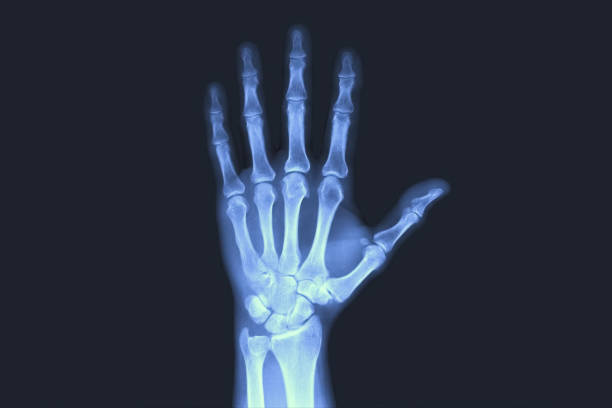
Every basketball player knows what it feels like to jam a finger.
It happens fast — catching a pass wrong, deflecting a ball, or just being in traffic. Most of the time, you shake it off and keep playing.
But here’s the reality:
👉 Some hand injuries are minor… and some don’t fully heal if you ignore them.
You’ll see it all the time — fingers that still look slightly dislocated years after playing.
This guide breaks down the most common hand injuries in basketball, what to do right away, and how to know when it’s more serious.
Common Types of Hand Injuries in Basketball
From experience, most hand injuries fall into a few categories:
Jammed Fingers
This is the most common. It happens when the finger is forced backward on impact.
- pain and swelling
- stiffness
- limited movement
Most athletes try to play through these — sometimes too quickly.
Finger Dislocations
This is when the joint is forced out of place.
- visible deformity
- immediate pain
- difficulty moving the finger
👉 From an athlete’s perspective, this is one you don’t ignore — even if you’ve seen people “pop it back in”
Finger Fractures
A fracture is a break in the bone.
- sharp pain
- swelling or bruising
- reduced function
- possible deformity
These are often mistaken for “just a jammed finger” early on.
👍 Is This Minor… or Something More?
This is where most players get it wrong.
More likely manageable:
- mild swelling
- soreness that improves
- ability to move the finger
- grip strength mostly intact
⚠️ When to Pay Closer Attention:
- finger looks out of place
- severe swelling or bruising
- inability to move the finger
- weak grip strength
- pain not improving after a few days
👉 This is where pushing through can lead to long-term issues
What You Can Do Right Now
If your symptoms are mild and improving:
Protect the Finger
From experience, continuing to play without support is where small injuries turn into bigger ones.
Ice the Area
Use ice for 15–20 minutes to control swelling.
Buddy Taping
Tape the injured finger to another finger for support.
Reduce Stress
Avoid heavy use until pain improves.
👉 This approach is similar to managing other injuries like:
- soft tissue injuries
- shoulder pain from basketball
Tools That Can Help Support Recovery
These won’t fix the injury alone, but they can help protect and support healing:
- 👉 Finger splint for support and protection (check price on Amazon)
- 👉 Athletic tape for finger support (view on Amazon)
- 👉 Reusable ice pack for hand injuries (see options on Amazon)
How to Handle More Serious Injuries
Dislocations
- do NOT force it back into place
- immobilize the finger
- ice immediately
- get evaluated
Fractures
- protect and immobilize
- avoid using the hand
- medical imaging may be needed
- gradual rehab is important
👉 Ignoring these can lead to long-term stiffness, deformity, or reduced function
🩺 When I’d Take It More Seriously
This is the decision point.
If your finger:
- looks deformed
- isn’t improving
- can’t move properly
- or still hurts after several days
…it’s worth getting it checked.
From an athlete’s perspective, this is one of the most overlooked injuries — because people assume it’s “just a finger.”
But these are the injuries you still see years later if not treated right.
👉 If you’re unsure what you’re dealing with:
You can talk to a licensed provider online to:
- understand if it’s a sprain, dislocation, or fracture
- get guidance on next steps
- avoid long-term issues
👉 Get help here → /get-help
How to Prevent Hand Injuries in Basketball
You can’t avoid everything, but you can reduce risk:
- improve catching technique
- stay alert during play
- strengthen grip and hand muscles
- tape vulnerable fingers if needed
External Reference
According to the Mayo Clinic, finger injuries should be evaluated if there is deformity, severe pain, or loss of function.
Related Injury Guides
- Knee pain from basketball
- Ankle sprain recovery timeline
- Shoulder pain from basketball
- Soft tissue injuries
- Why does my leg hurt when I run
- Is my injury serious
- When to see a doctor
Final Thoughts
Hand injuries in basketball are common — but they’re also some of the easiest to underestimate.
Most jammed fingers improve quickly.
But dislocations and fractures can stick with you if you don’t handle them the right way.
If your symptoms are improving, you’re likely fine.
If they’re not, getting clarity early can prevent long-term issues.
👉 Take the next step → /get-help
Leave a Reply