
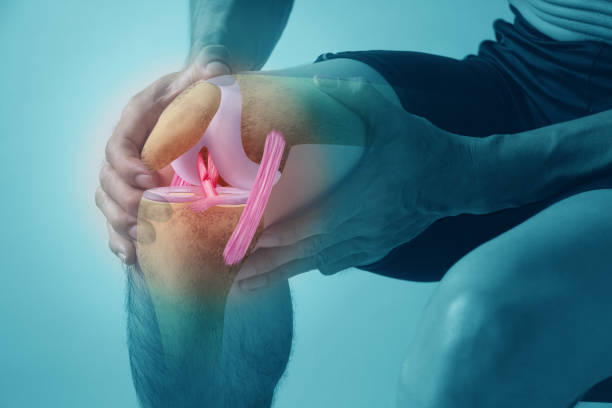
If you’ve dealt with knee pain as an athlete, you’ve probably asked:
👉 How long is this going to take to heal?
From experience, this question hits differently depending on the injury.
I’ve dealt with knee tendinitis myself, and I’ve played with teammates — and now seen my son play with teammates — who had to recover from ACL tears and meniscus injuries.
Some came back quickly.
Some didn’t.
👉 The difference usually comes down to what the injury actually is — and how early you address it.
The Real Answer: It Depends on the Injury
Not all knee injuries are the same.
Some knee issues show up in simple movements first — like stairs — which is why it’s important to understand knee pain during everyday activity.
Here’s what athletes should understand:
👉 If this is happening in a young athlete, it may be harder to tell whether recovery is following a normal pattern or whether the pain needs more attention.
When should my child see a doctor?
🦿 Knee Tendinitis (Jumper’s Knee)
Typical recovery:
- mild: 1–3 weeks
- moderate: 3–6 weeks
- chronic: several months
This is one of the most common issues in basketball and explosive athletes.
From experience, this is also the one most people try to push through — and that’s what turns it into a longer problem.
👉 Learn more about knee tendinitis from basketball (jumper’s knee).
👉 Return to Knee Pain Guide
🦿 Meniscus Injury
Typical recovery:
- minor tear: 4–8 weeks
- more serious: 2–3 months
- surgical cases: 3–6 months
I’ve seen teammates try to play through this — sometimes it works short-term, but it can come back quickly if not handled right.
👉 If you’re unsure, it helps to understand how to tell ACL vs meniscus injury symptoms.
🦿 ACL Tear
Typical recovery:
- non-surgical (rare cases): several months
- surgical recovery: 6–12 months
This is the one athletes fear the most.
I’ve seen guys lose a full season — and sometimes more — trying to come back too fast.
👉 This is where knowing when to see a doctor for a sports injury becomes critical.
👍 When Recovery Is On Track
In most cases, things are moving in the right direction if:
- pain is gradually improving
- strength is returning
- you can do more over time without setbacks
For a full breakdown of knee pain and what it means, see the complete knee pain guide.
⚠️ When Recovery Is Taking Too Long
This is where you need to pay attention:
- pain isn’t improving
- symptoms keep coming back
- performance is dropping
- you’re stuck at the same level
👉 This is often where athletes realize too late they misjudged the injury.
👉 If you’re unsure, start with how to tell if an injury is serious or just soreness.
🩺 When to Get Help
You should seriously consider getting guidance if:
- symptoms last longer than expected
- pain is affecting how you move
- you’re unsure what the injury actually is
From experience, this is where guessing usually costs you more time.
What Affects Recovery Time the Most?
- how early you address it
- whether you keep playing through it
- strength and mobility work
- proper diagnosis
👉 Early clarity almost always shortens recovery.
Tools That Can Help Recovery
- 👉 Knee compression sleeve for support
- 👉 Foam roller for muscle tightness
- 👉 Ice wrap for inflammation
💡 A Smarter Way to Approach Recovery
From both an athlete and parent perspective, the hardest part isn’t the rehab.
👉 It’s knowing what you’re actually dealing with.
Instead of guessing:
👉 Explore injury guides → /blog
Or get clarity early:
👉 Return to the full guide: Knee Pain Guide
👉 Talk to a provider about your injury → /get-help
External Reference
According to the Mayo Clinic, recovery time varies significantly depending on injury severity and treatment approach.
Related Injury Guides
- knee pain when jumping
- knee tendinitis from basketball
- can you play through an injury safely
- when to see a doctor for a sports injury
Final Thoughts
Not all knee injuries are the same — and recovery isn’t one-size-fits-all.
👉 The biggest mistake athletes make is treating every injury the same.
If you understand what you’re dealing with early, you give yourself the best chance to recover faster — and get back to playing at your level.
Leave a Reply