
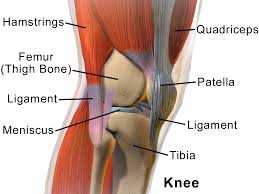
Knee Pain Guide for Athletes
Knee pain is one of the most common sports injuries—but the key is knowing what’s causing it and what to do next.
This guide will help you identify your knee pain, understand what it may mean, and decide whether you can keep playing or should get help.
Not Sure What to Do About Your Knee Pain?
- ✔ Understand what your symptoms may mean
- ✔ Decide if you can keep playing or need to stop
- ✔ Avoid making the injury worse
Where Does Your Knee Hurt?
Start with the description that best matches your pain:
🏃 Knee Pain When Running
Pain during or after running, often from overuse or mechanics.
Explore Running Knee Pain →
🏋️ Knee Pain When Squatting
Pain with bending, lifting, or gym movements.
Explore Squatting Pain →
🪜 Knee Pain With Stairs
Pain going up or down stairs or hills.
Explore Stair Pain →
⚠️ Knee Pain With Swelling
Swelling, stiffness, or instability in the knee.
Explore Swelling →
Can You Keep Playing With Knee Pain?
- ✔ Mild pain that improves → you may be able to continue
- ⚠️ Pain that worsens → reduce activity
- 🚨 Sharp pain, swelling, or instability → stop playing
👉 Should you rest or keep playing?
When to Take Knee Pain Seriously
- Pain that gets worse over time
- Swelling or instability
- Locking or clicking
- Pain lasting more than 1–2 weeks
👉 When should you see a doctor?
Related Running Injuries
Knee pain often connects with other running-related issues:
From Experience (Athlete Perspective)
Knee pain is one of the most common injuries athletes push through—but it’s also one of the easiest to make worse by waiting too long.
The biggest mistake: ignoring early signs until it forces you to stop.
Getting clarity early almost always leads to a faster recovery.
👉 Start here → /get-help
Leave a Reply