
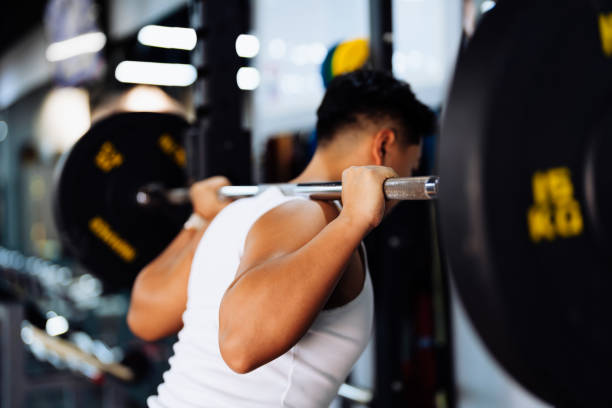
If you’ve ever felt knee pain while squatting, you’ve probably asked:
👉 Is this just part of training… or something I shouldn’t ignore?
From experience, weight training was a big part of our program in college.
Squats.
Deadlifts.
Explosive lifts.
👉 It wasn’t optional — it was part of getting stronger and staying on the court.
But over time, you start to notice things:
A little discomfort at the bottom of a squat…
A tweak when coming up…
Something that doesn’t feel quite right.
👉 And that’s where the question comes in:
Is this normal training stress… or the start of a problem?
Why Squatting Can Cause Knee Pain
Squatting puts controlled load on your knees — especially under depth and weight.
Each rep involves:
- knee flexion under load
- pressure through the kneecap
- coordination between hips, glutes, and quads
👉 If any part of that system is off, the knee takes more stress.
Common Causes of Knee Pain During Squats
The most common reasons include:
- patellar tendon irritation (jumper’s knee)
- patellofemoral pain (kneecap tracking issues)
- weak glutes or hips
- tight quads or hamstrings
- poor squat mechanics
👉 This is often related to knee tendinitis from basketball (jumper’s knee) or repetitive loading without proper recovery.
👍 When It’s Likely Minor
It may be manageable if:
- pain is mild and occasional
- it improves as you warm up
- it doesn’t affect performance
- there’s no swelling or instability
👉 This is often early irritation or overuse.
Still, it helps to understand how to tell if an injury is serious or just soreness before pushing through it.
⚠️ When to Pay Attention
This is where it becomes more important:
- pain shows up every time you squat
- it’s getting worse over time
- you feel it at the bottom of the movement
- your movement pattern starts to change
👉 This is often how tendon or tracking issues develop.
👉 If it keeps happening, it may help to understand why your injury keeps coming back and what athletes miss.
🩺 When It Might Be Something More Serious
Take it seriously if:
- pain is sharp or persistent
- swelling is present
- the knee feels unstable
- it affects everyday movement
👉 In these cases, knowing when to see a doctor for a sports injury can help prevent long-term problems.
Should You Stop Squatting?
This is where most athletes get stuck.
👉 “If I stop, I lose progress”
👉 “If I push through, will it get worse?”
The answer depends on your symptoms.
👉 In some cases, modifying load or depth is enough.
👉 In others, continuing can make it worse.
👉 Before deciding, it helps to understand should you rest or keep playing through pain based on what your body is telling you.
What You Can Do Right Now
- reduce load or squat depth
- focus on proper form
- strengthen glutes and hips
- improve flexibility (quads, hamstrings)
- avoid pushing through sharp pain
👉 The goal is to fix the cause — not just manage the pain.
For a full breakdown of knee pain and what it means, see the complete knee pain guide.
Tools That Can Help
- 👉 Knee compression sleeve for support
- 👉 Foam roller for quad tightness
- 👉 Resistance bands for activation work
💡 A Smarter Way to Approach It
From experience, this is where athletes guess.
👉 “It’ll go away”
👉 “I just need to push through”
Sometimes it does.
Sometimes it doesn’t.
Instead of guessing:
👉 Explore all injury guides → /blog
Or get clarity early:
👉 Talk to a provider about your injury → /get-help
External Reference
According to the Mayo Clinic, knee pain during activities like squatting is often related to overuse, muscle imbalance, or stress on the joint.
Related Injury Guides
- why your knee hurts when going up or down stairs
- why your knee hurts when sitting too long
- how long knee injuries take to heal
- should I ice or heat my injury
Final Thoughts
Knee pain during squats isn’t always a problem — but it’s not something to ignore either.
👉 Sometimes it’s just training stress.
👉 Sometimes it’s the early sign of something building.
The key is understanding the difference.
If it improves, you’re likely fine.
If it keeps showing up or getting worse, that’s your signal to take a smarter approach.
Leave a Reply