
Knee pain when running is common—but knowing whether to keep running or stop is what actually matters.
If you’re feeling pain in your knee during or after a run, this guide will help you understand what’s causing it, whether it’s safe to continue, and when you should get help.
Can You Keep Running With Knee Pain?
- ✔ Mild discomfort that improves as you warm up → you may be able to continue
- ⚠️ Pain that worsens during your run → reduce or stop
- 🚨 Sharp pain, swelling, or limping → stop running
Common Causes of Knee Pain When Running
Knee pain while running usually comes from overuse, movement patterns, or training changes—not a single injury.
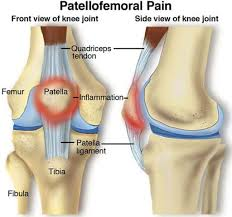
- Runner’s knee (patellofemoral pain): Pain in the front of the knee, especially with stairs or long runs
- IT band syndrome: Pain on the outside of the knee, often worsening with distance
- Tendon irritation: Pain below or around the kneecap from repetitive stress
- Training errors: Sudden increases in mileage, intensity, or terrain
Looking for the bigger picture on knee pain?
Knee pain can come from several different patterns, including running load, swelling, tendon irritation, or ligament stress. See our Knee Pain Guide for a full breakdown of causes, related knee injuries, and what to do next.
Does the Timing of Pain Matter?
Yes—when your knee hurts tells you a lot about what’s going on.
- Pain during running: Often related to mechanics or load issues
- Pain after running: More commonly inflammation or overuse
- Pain at rest or constant pain: More concerning and worth evaluating
When to Take Knee Pain Seriously
You should pay closer attention if you notice:
- Swelling that doesn’t improve
- Pain getting worse over time
- Clicking, locking, or instability
- Pain lasting longer than 1–2 weeks
👉 When should you see a doctor?
What Should You Do About Knee Pain When Running?
Your next step depends on how your knee responds to activity.
If pain is mild and improving:
- Reduce mileage or intensity
- Focus on recovery and mobility
- Gradually return to normal training
If pain is not improving:
- Take a break from running
- Address strength and movement issues
- Consider getting evaluated
From Experience (Athlete Perspective)
As a former athlete, one of the hardest things is knowing whether to push through pain or shut it down.
I’ve dealt with knee pain that felt minor at first—but ignoring it made it last much longer than it should have.
The biggest mistake: waiting too long to adjust.
Getting clarity early almost always leads to a faster recovery.
Tools That Can Help Support Recovery
As an Amazon Associate, we may earn from qualifying purchases.
Still Not Sure What to Do?
Knee pain when running can be minor—or a sign of something more serious.
Getting clarity early can help you avoid a longer recovery.
👉 Talk to a Provider Now
Leave a Reply