
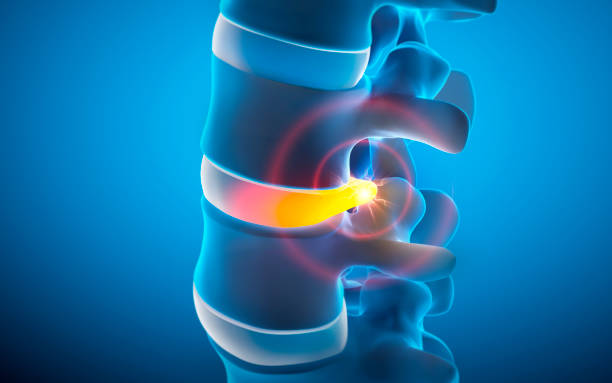
Lower back pain when running doesn’t always start as pain.
Sometimes it shows up as tightness…
Fatigue…
Or a feeling that your form is breaking down as the run goes on.
Then at some point, it becomes something you can’t ignore.
The challenge is figuring out what it actually means.
- Is this just normal fatigue?
- Is your form the issue?
- Or is this something that could get worse if you keep pushing?
This guide will help you understand why it’s happening — and what to do next.
📌 Quick Answer
Lower back pain when running is usually caused by fatigue, poor posture, weak core stability, or tight hips. Mild discomfort may improve with strength and mobility work, but persistent or worsening pain should not be ignored.
🧠 Why Lower Back Pain Builds While Running
Unlike some injuries, lower back pain is often not about one specific spot — it’s about how your body handles load over time.
As you run:
- Your core stabilizes your spine
- Your hips generate movement
- Your posture keeps everything aligned
When one of those breaks down, your lower back starts to take on more stress.
👉 That’s why the pain often:
- Starts later in a run
- Gets worse with fatigue
- Feels tied to form, not just impact
⏱️ When Do You Feel It?
This is one of the most important clues.
🏃 During the Run (Mid to Late)
- Pain increases as the run goes on
- Often linked to fatigue or posture breakdown
🧊 After Running
- Tightness or soreness later in the day
- Can feel stiff when sitting or standing
👉 Related: /lower-back-pain-sitting
🔁 Recurring Pattern
- Feels fine early
- Comes back every run
👉 Related: /shin-pain-recurring
⚠️ Common Causes of Lower Back Pain When Running
1. Core Fatigue
Your core isn’t able to stabilize your spine for the full run.
2. Poor Running Posture
- Leaning too far forward or backward
- Overstriding
- Lack of control late in runs
3. Tight Hips
Limited mobility shifts stress into your lower back.
👉 Related: /hip-pain-running
4. Overuse / Training Load
- Increasing mileage too quickly
- Not enough recovery
👉 Related: /shin-pain-when-running
🚨 Is Lower Back Pain From Running Serious?
🟢 Usually Not Serious
- Feels like tightness or fatigue
- Improves with rest
- No sharp or radiating pain
🔴 More Concerning
- Sharp pain
- Pain radiating down the leg
- Pain at rest
- Pain affecting daily movement
👉 Read: /injury-serious-or-soreness
🏃 Can You Keep Running With Lower Back Pain?
You may be OK to continue if:
- Pain is mild
- Doesn’t affect your form
- Improves with movement
You should stop if:
- Pain worsens as you run
- Your form breaks down
- Pain lingers after activity
👉 Read: /can-you-play-through-injury
🔄 Why It Keeps Coming Back
Lower back pain often returns because the root issue isn’t addressed.
Common reasons:
- Core strength hasn’t improved
- Hip mobility is still limited
- Running mechanics haven’t changed
- You’re pushing through fatigue
👉 Related: /shin-pain-recurring
🛠️ What Actually Helps
✔️ Build core strength
Focus on stability, not just strength
✔️ Improve hip mobility
Looser hips = less stress on your back
✔️ Monitor posture during runs
Stay controlled, especially as fatigue sets in
✔️ Adjust training load
Avoid sudden increases in intensity or volume
🧰 Tools That Can Help Support Recovery
❗ When Should You See a Doctor?
- Pain lasts longer than 1–2 weeks
- Pain is getting worse
- Pain radiates down your leg
- Pain affects walking or sitting
👉 Read: /when-to-see-doctor-sports-injury
🧠 Athlete Perspective
Lower back pain is one of the most common issues athletes try to “run through” — especially because it often feels manageable early.
But it’s usually a sign of fatigue or imbalance, not just soreness.
From experience, the key difference is awareness.
The athletes who recognize when their form starts to break down adjust early.
The ones who ignore it tend to deal with longer setbacks.
🧭 Not Sure What to Do Next?
Start here:
🚑 Need Help Right Now?
If your lower back pain isn’t improving — or you want a clear answer on what to do next:
👉 Talk to a provider about your injury → /get-help
Leave a Reply