
If you’ve ever felt knee pain going up or down stairs, you’ve probably asked:
👉 Is this just wear and tear… or something I should pay attention to?
From experience, I didn’t notice this during my playing days.
But years later, I started feeling it doing something simple — going up and down stairs.
No game. No practice. Just everyday movement.
👉 That’s when the question hits:
Is this just age… or miles on the knees catching up?
Why Stairs Put Stress on Your Knee
Going up and down stairs puts significant load on your knee joint — especially the area around the kneecap.
Each step requires:
- knee bending under load
- controlled movement (especially going down)
- muscle coordination from quads, hips, and core
👉 If something is off, stairs are one of the first places you feel it.
If you’re also feeling stiffness after sitting, it may help to understand why knee pain happens during inactivity as well.
👉 Return to Knee Pain Guide
Common Causes of Knee Pain on Stairs
The most common reasons include:
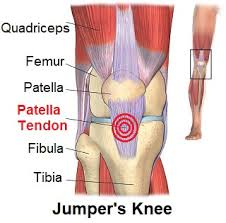
- patellar tendon irritation (jumper’s knee)
- patellofemoral pain (kneecap tracking issues)
- muscle imbalances (weak hips or glutes)
- tight quads or hamstrings
- overuse from running or jumping
👉 This is often related to knee tendinitis from basketball (jumper’s knee) or training movements under load, like squats, leading to long-term stress on the joint.
👍 When It’s Likely Minor
It may be manageable if:
- pain is mild and occasional
- it improves as you warm up
- there’s no swelling or instability
- it doesn’t limit daily activity
👉 This is often early irritation or overuse.
Still, it helps to understand how to tell if an injury is serious or just soreness before ignoring it.
⚠️ When to Pay Attention
This is where it starts to matter more:
- pain is consistent on stairs
- it’s getting worse over time
- you feel discomfort going down more than up
- stiffness or soreness lingers
👉 This is often how tendon or tracking issues develop.
👉 If it keeps happening, it may help to understand why your injury keeps coming back and what athletes miss.
🩺 When It Might Be Something More Serious
Take it more seriously if:
- pain is sharp or persistent
- swelling is present
- the knee feels unstable
- it affects normal movement
👉 In these cases, knowing when to see a doctor for a sports injury can prevent a longer recovery.
Is It Age or Wear and Tear?
From experience, it’s usually not just “age.”
👉 It’s often:
- accumulated stress over time
- movement patterns developed from sports
- strength or mobility not maintained
In other words:
👉 miles on the knees — without the right maintenance
For a full breakdown of knee pain and what it means, see the complete knee pain guide.
What You Can Do Right Now
- reduce repetitive stress (stairs, jumping, running volume)
- strengthen glutes and hips
- stretch quads and hamstrings
- focus on controlled movement
👉 The goal is to address the cause — not just the pain.
Tools That Can Help
- 👉 Knee compression sleeve for support
- 👉 Foam roller for quad tightness
- 👉 Ice pack for post-activity recovery
🩺 Should You Keep Playing or Modify Activity?
This is where athletes get stuck.
👉 “It’s not that bad — I can push through it”
Sometimes that works. Sometimes it doesn’t.
👉 Before continuing, it helps to understand should you rest or keep playing through pain based on your symptoms.
💡 A Smarter Way to Handle It
From both an athlete and parent perspective, this is where guessing usually leads to longer problems.
Instead of guessing:
👉 Explore all injury guides → /blog
Or get clarity early:
👉 Return to the full guide: Knee Pain Guide
👉 Talk to a provider about your injury → /get-help
External Reference
According to the Mayo Clinic, knee pain with activities like climbing stairs is often related to overuse, muscle imbalance, or joint stress.
Related Injury Guides
- knee tendinitis from basketball (jumper’s knee)
- how long knee injuries take to heal
- why your knee hurts when you jump
- should I ice or heat my injury
Final Thoughts
Knee pain on stairs is one of those early signals athletes often overlook.
It doesn’t always mean something serious — but it rarely means nothing.
👉 If it’s occasional and improving, you’re likely fine.
👉 If it’s consistent or getting worse, it’s something to pay attention to.
The key is understanding what your body is telling you — before it turns into something that limits you long-term.
Leave a Reply