If you’re dealing with foot or heel pain while running, the right insoles can make a big difference.
But not all insoles are built the same—and choosing the wrong type can leave you dealing with the same pain.
This guide breaks down what actually helps, what to look for, and which options are worth considering.
Are Flat Feet Bad for Running?This page may include affiliate links. We only recommend products that support recovery and performance—never based on hype alone.
🦶 What Actually Matters in Running Insoles
Instead of focusing on brand names, the key is choosing insoles that match your needs.
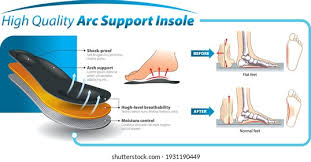
- Arch support – reduces strain on the plantar fascia
- Cushioning – absorbs impact during running
- Stability – helps keep your foot aligned
👉 If you’re dealing with soreness or pain after your runs, support can play a major role.
See why foot pain happens after running
The goal is to reduce stress on your foot—not just add padding.
🏃 Types of Insoles That Can Help
🦶 Arch Support Insoles
Helpful if you have flat feet or your arch collapses during running.
View Arch Support Options👟 Cushioned Insoles
Better for impact-related pain or longer runs where shock absorption matters.
View Cushioned Options🦶 Stability Insoles
Designed to provide more control and help with alignment during movement.
View Stability Options⚠️ When Insoles May Not Be Enough
Insoles can help reduce stress, but they don’t fix every issue.
- Pain is worsening
- Pain is not improving over time
- You may be dealing with a more serious injury
⚠️ Still Dealing With Pain?
If insoles are not helping, getting guidance can prevent a longer recovery.
👉 Get Answers Now👉 How to Treat Plantar Fasciitis Fast
🏃 Can You Keep Running With Pain?
👉 Can I Run With Plantar Fasciitis?
🧠 Athlete & Parent Perspective
Insoles are one of the easiest changes athletes can make when dealing with foot pain.
They are simple to try and often provide immediate support—but they are not a cure on their own.
What stands out is that the right insole can reduce stress quickly, while the wrong one may not help at all.
From a parent’s perspective, this is also a low-risk way to support young athletes early before pain becomes a bigger issue.
🏥 Not Sure What to Do Next?
This content is for educational purposes only and does not replace professional medical advice.
Leave a Reply