
Maybe—but it depends on how much pain you have, when it hurts, and whether it’s getting worse.
Plantar fasciitis is one of the most common causes of heel pain in runners. Some athletes can keep running with mild symptoms, but pushing through the wrong kind of pain can make recovery take much longer.
This guide will help you decide when it’s reasonable to keep running, when you should cut back, and when it’s time to stop and get help.
To reduce stress while running: Best Insoles for Running
🦶 What Is Plantar Fasciitis?
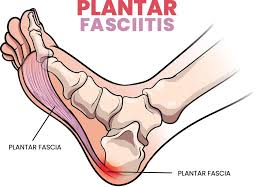
Plantar fasciitis is irritation of the thick band of tissue along the bottom of your foot. It usually causes pain near the heel, especially:
- With the first steps in the morning
- After sitting for a while
- At the start of a run
- After longer activity
If your heel pain is mainly showing up during running, you may also want to read:
Looking for the bigger picture on running injuries?
Pain while running is often connected to training load, overuse, muscle imbalance, or recovery habits. See our Running Injuries Guide for a full breakdown of common running injuries, related pain patterns, and what to do next.
✅ When You May Be Able to Keep Running
You may be able to keep running if:
- The pain is mild
- It improves as you warm up
- It does not change your running form
- It is not worse later that day or the next morning
The key is that symptoms should stay manageable and should not be getting worse.
If you do keep running, it usually makes sense to reduce mileage, avoid speed work, and monitor symptoms closely.
Choosing the right shoes can help reduce stress: Best Shoes for Plantar Fasciitis
⚠️ When You Should Cut Back or Stop Running
You should stop or significantly reduce running if:
- The pain is sharp or increasing
- You start limping or changing your stride
- The pain is worse every morning
- It is affecting walking, not just running
- It is not improving with rest and simple care
This is where many runners make the mistake of trying to “push through” too long.
If the pain is changing how you move, you risk making the problem harder to treat.
👉 Talk to a Provider Now🚨 When It May Be More Than Plantar Fasciitis
Not all heel or foot pain is plantar fasciitis.
You should be more cautious if you have:
- Pain on the top of the foot
- Significant swelling
- Pain with every step
- Pain that keeps getting worse even with rest
- Pain after a clear twist, pop, or impact
These signs may point to a different issue, such as a stress injury or another foot problem.
🏃 How to Run More Safely If Symptoms Are Mild
If symptoms are mild and improving, these adjustments may help:
- Reduce mileage for 1 to 2 weeks
- Avoid hills, sprinting, and speed workouts
- Use supportive shoes
- Warm up your calves and feet before running
- Stop if pain becomes sharp or changes your form
If you need to constantly “test it” every run, that usually means it needs more rest.
🧠 Should You Rest or Try to Push Through?
If you are debating whether to keep going, the safest rule is simple:
- Mild, stable pain → you may be able to modify training
- Worsening pain or altered movement → rest and reassess
If you’re unsure where you fall, read:
👉 Can I Play Through This Injury or Should I Rest?
👉 Get Medical Guidance🛠 Tools That Can Help Support Recovery
These tools may help reduce pain, support the foot, and improve recovery while symptoms calm down.
🦵 Support & Stability
Supportive inserts or foot support tools may help reduce stress on the plantar fascia.
View Support Options❄️ Pain Relief & Recovery
Cold therapy and recovery tools may help reduce soreness after activity.
View Recovery Tools🏋️ Strength & Rehab
As pain improves, simple strengthening tools can help support the foot and lower leg.
View Rehab Tools🧠 The Mental Side of Not Being Able to Run
For many runners, the hardest part is not just the foot pain—it’s the frustration of cutting back, losing momentum, and not knowing how long recovery will take.
If recovery is starting to affect your mindset, support can help.
👉 Talk to a Mental Health Provider🏥 Not Sure If You Should Run or Rest?
If you’re not sure whether your symptoms are mild plantar fasciitis or something more serious, the safest next step is to talk to a provider.
- ✔ Evaluate your symptoms
- ✔ Help rule out more serious causes of foot pain
- ✔ Give you a safe plan for returning to running
🏃 Athlete & Parent Perspective
As a former athlete and now a parent of a student-athlete, this is one of the most common situations I’ve seen—heel pain that seems manageable at first but slowly gets worse when ignored.
With plantar fasciitis, the challenge is that you can often still run early on, which makes it tempting to push through. I’ve seen athletes try to “test it” every run, only to end up dealing with a longer recovery because they waited too long to adjust.
From a parent perspective, it’s even harder. You don’t always know if it’s something minor or something that could turn into a bigger issue. The safest approach is to watch how symptoms respond—not just during the run, but later that day and the next morning.
If the pain is improving and staying controlled, small adjustments may be enough. If it’s getting worse or changing how you move, that’s your signal to pull back and get guidance.
The goal isn’t just to keep running today—it’s to stay healthy enough to keep running long term.
👉 Get Help NowSportsTeleDoc connects you with trusted care options and does not provide medical diagnosis or treatment.
Leave a Reply