
Achilles pain when running is common—but the key question is whether it’s something you can run through or something that will get worse if you don’t address it.
If you’re feeling pain in the back of your ankle or lower calf, this guide will help you understand what’s causing it and what to do next.
Can You Keep Running With Achilles Pain?
- ✔ Mild stiffness that improves as you warm up → you may be able to continue
- ⚠️ Pain that worsens during or after running → reduce activity
- 🚨 Sharp pain, swelling, or tightness that limits movement → stop running
Why Your Achilles Hurts When Running
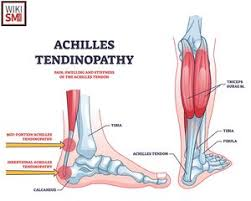
The Achilles tendon connects your calf muscles to your heel. Running places repeated stress on this area, especially with increased training load.
- Overuse: Sudden increase in mileage or intensity
- Tight calves: Increased strain on the tendon
- Poor recovery: Not enough rest between runs
- Running mechanics: Increased load on the tendon
Looking for the bigger picture on running injuries?
Pain while running is often connected to training load, overuse, muscle imbalance, or recovery habits. See our Running Injuries Guide for a full breakdown of common running injuries, related pain patterns, and what to do next.
Related Running Injuries
Achilles pain often connects with other lower leg and foot issues:
When Does Achilles Pain Show Up?
- At the start of a run: Often stiffness or early irritation
- During running: Increased tendon stress
- After running: Inflammation and overuse response
- Morning stiffness: Common with tendon irritation
When to Take Achilles Pain Seriously
- Pain that worsens with each run
- Swelling or thickening of the tendon
- Pain when walking or pushing off
- Pain lasting more than 1–2 weeks
👉 When should you see a doctor?
What Should You Do About Achilles Pain?
If it’s mild:
- Reduce running volume
- Focus on recovery and mobility
- Allow time between runs
If it’s not improving:
- Take a break from running
- Address strength and mechanics
- Consider professional evaluation
Looking for the bigger picture?
This is part of a larger pattern of running-related injuries. See our running injuries guide for a full breakdown.
From Experience (Athlete Perspective)
Achilles pain is one of the most common injuries athletes try to run through—but it’s also one that can worsen quickly if ignored.
The key: recognize early signs and adjust before it becomes a longer-term issue.
Tools That Can Help Support Recovery
As an Amazon Associate, we may earn from qualifying purchases.
Still Not Sure What to Do?
Achilles pain can be minor—or a sign of something more serious.
Getting clarity early helps prevent longer recovery.
👉 Talk to a Provider Now
Leave a Reply