
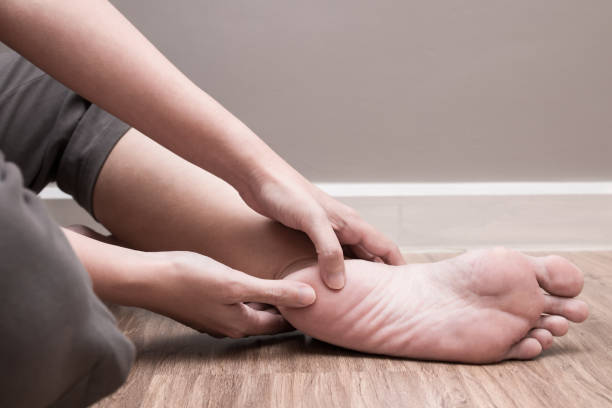
Heel pain when running has a way of sneaking up on you.
It might start as a dull ache after a run…
Then turn into sharp pain when you take your first steps in the morning…
And eventually, it can make running feel completely different.
The hardest part isn’t just the pain — it’s knowing what kind of pain it is.
- Is this something you can run through?
- Or is this the type of injury that gets worse the more you ignore it?
Let’s break it down in a way that actually helps you decide what to do next.
📌 Quick Answer
Heel pain when running is most commonly caused by plantar fasciitis, tight calf muscles, or Achilles tendon irritation. Pain that improves with movement is often manageable, but sharp pain or pain with first steps in the morning should be taken seriously.
🧠 What Heel Pain Usually Means
Heel pain is different from general foot soreness.
When pain is specifically in the heel, it usually points to tension and stress being concentrated at one point — where your foot absorbs impact.
In runners, this typically comes from:
- Tight calves pulling on the heel
- Repetitive impact without enough recovery
- Limited flexibility in the foot or ankle
- Gradual overload (not one single injury)
This is why heel pain often builds over time instead of happening all at once.
⏱️ When Do You Feel It?
The timing of your pain can tell you more than you think.
🌅 First Steps in the Morning
One of the biggest signs of plantar fasciitis
- Sharp pain when stepping out of bed
- Eases after walking
👉 This is one of the most common patterns runners experience
🏃 During a Run
- Pain may start mild and increase
- Could signal irritation building under load
🧊 After Running
- Stiffness or soreness later in the day
- Often tied to overuse
⚠️ Most Common Causes of Heel Pain When Running
1. Plantar Fasciitis (Most Common)
- Irritation of tissue along the bottom of the foot
- Strongly linked to tight calves
👉 Related: /foot-pain-when-running
2. Tight Calves
When your calves are tight, they pull directly on your heel.
👉 See: /calf-pain-running
3. Achilles Tendon Irritation
Pain at the back of the heel rather than underneath
👉 See: /achilles-stretching
4. Training Errors
- Sudden increase in mileage
- Running on hard surfaces
- Not enough recovery
👉 Related: /shin-pain-when-running
🚨 When Heel Pain Becomes a Problem
🟢 Usually Manageable
- Mild discomfort
- Improves as you move
- No sharp or pinpoint pain
🔴 More Serious Signals
- Sharp pain with first steps
- Pain getting worse over time
- Pain that changes how you walk or run
- Pain in one exact spot that doesn’t go away
👉 Read: /injury-serious-or-soreness
🏃 Should You Keep Running With Heel Pain?
This is where most runners guess — and often guess wrong.
You may be able to continue if:
- Pain is mild
- Loosens up after warming up
- Doesn’t affect your stride
You should stop if:
- Pain is sharp or stabbing
- You’re adjusting your stride to avoid it
- Pain is worse the next day
👉 Read: /can-you-play-through-injury
🔄 Why Heel Pain Gets Worse If Ignored
Heel pain rarely stays the same.
What starts as:
👉 tightness
Can turn into:
👉 inflammation
Then into:
👉 a longer-term issue that takes weeks to calm down
The pattern is usually gradual — until it isn’t.
🛠️ What Actually Helps Heel Pain
✔️ Reduce load (temporarily)
Not full rest — but less impact
✔️ Stretch your calves daily
This is one of the biggest factors
✔️ Roll the bottom of your foot
Helps reduce tension
✔️ Ice if irritated
Especially after activity
🧰 Tools That Can Help Support Recovery
🔁 Why Heel Pain Keeps Coming Back
Recurring heel pain usually means:
- Tightness wasn’t fully addressed
- You returned to full activity too quickly
- The underlying load issue didn’t change
👉 Related: /shin-pain-recurring
❗ When Should You See a Doctor?
- Pain lasts longer than 1–2 weeks
- Pain is getting worse
- You can’t run normally
- Pain is affecting walking
👉 Read: /when-to-see-doctor-sports-injury
🧠 Athlete Perspective
Heel pain is one of those injuries that feels manageable early — so most athletes try to push through it.
But it’s also one of the easiest injuries to turn into a longer layoff if ignored.
From experience, the athletes who adjust early usually stay consistent. The ones who wait often end up needing more time off than expected.
🧭 Not Sure What to Do Next?
Start here:
🚑 Need Help Right Now?
If your heel pain isn’t improving — or you want a clear answer on what to do next:
👉 Talk to a provider about your injury → /get-help
Leave a Reply