
🏃 How Long Do Shin Splints Take to Heal?
If you’re dealing with shin pain, one of the first questions is:
👉 How long is this going to take to heal?
And just as important:
👉 Is this actually shin splints — or something more serious?
From experience, this is where athletes get stuck.
You take a few days off… it feels better… then you go right back — and the pain returns.
This guide breaks down:
- realistic recovery timelines
- what affects how fast you heal
- why shin pain keeps coming back
- when to take the next step
👉 And most importantly — what to do next
🧠 What Are Shin Splints?
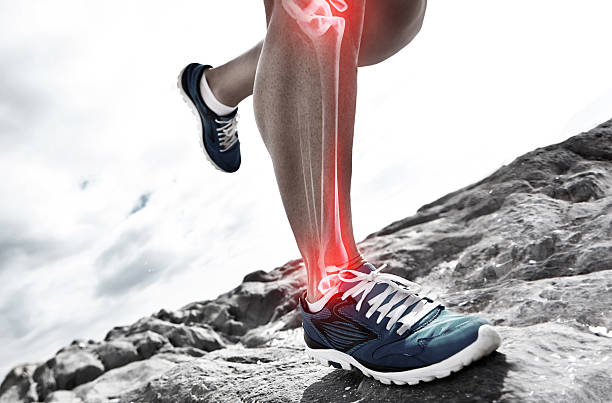
Shin splints (medial tibial stress syndrome) are:
👉 pain along the inner edge of the shin bone
They’re typically caused by repeated stress and overload.
Common causes include:
- sudden increase in training
- running or jumping on hard surfaces
- improper or worn-out shoes
- tight calves or weak lower leg muscles
⏱️ Shin Splints Recovery Timeline
Recovery depends on severity and how early you adjust.
🟢 Mild (Early Stage)
- soreness during or after activity
- no sharp or pinpoint pain
- improves quickly with rest
👉 Recovery time: 1–3 weeks
🟡 Moderate
- pain during activity
- soreness that lingers after
- performance starting to drop
👉 Recovery time: 3–6 weeks
🔴 Severe
- pain even at rest
- sharper or more intense discomfort
- difficulty running or jumping
👉 Recovery time: 6–12+ weeks
🚨 Important
👉 If your symptoms aren’t improving within a few weeks, it may not just be shin splints.
⚠️ When It Might Be Something More Serious
This is where athletes often make the wrong decision.
Warning signs:
- pain in one specific spot
- sharp pain instead of dull soreness
- pain that gets worse over time
- pain even without activity
👉 If that sounds familiar:
Read: Shin Splints vs Stress Fracture
🔁 Why Shin Splints Keep Coming Back
This is one of the most common patterns.
Most athletes don’t fully recover — they:
- rest just enough to feel better
- return too quickly
- end up dealing with the same issue again
From experience, this is exactly how injuries become long-term problems.
Common causes of recurrence:
- returning too soon
- not fixing the root cause
- poor footwear
- tight or weak lower legs
- fatigue and lack of recovery
👉 Read: Why Your Injury Keeps Coming Back
⚡ How to Speed Up Recovery (Without Repeating the Same Cycle)
🧊 Reduce Impact
- temporarily limit running/jumping
- use lower-impact training
🧠 Adjust Load
- avoid sudden increases in activity
- ease back into training
🦵 Strength + Mobility
- calf strengthening
- lower leg strengthening
- ankle mobility
💧 Recovery Matters More Than You Think
From experience — especially watching my son play:
👉 hydration and recovery make a real difference
When athletes:
- play back-to-back
- train without full recovery
- or push through fatigue
👉 injuries tend to linger or return
Recovery isn’t just rest — it’s preparation.
❓ Can You Play Through Shin Splints?
🟢 Possibly:
- mild discomfort
- improving symptoms
- no sharp pain
🔴 Not recommended:
- worsening pain
- recurring symptoms
- sharp or localized pain
👉 Read: Can You Play Through Injury or Should You Rest?
🧠 Decision Point (What Should You Do?)
Ask yourself:
👉 Is it improving?
👉 Is it staying the same?
👉 Is it getting worse?
If improving:
Continue recovery and gradual return
If not improving:
You need clarity before it turns into something worse
🩺 When to Get Help
Consider talking to a provider if:
- pain isn’t improving after a few weeks
- symptoms keep returning
- you’re unsure what the injury actually is
- performance is being affected
👉 Get clarity early instead of guessing
👉 Talk to a provider:
🛒 Recovery Tools That May Help
Athletes commonly use:
- compression sleeves (shin support)
- foam rollers
- ice packs
- supportive running shoes
🧠 Final Takeaway
Shin splints don’t follow the same recovery timeline for everyone.
👉 The biggest mistake athletes make:
- returning too soon
- ignoring symptoms
- assuming it will go away on its own
From experience:
👉 The difference between a quick recovery and a long-term issue comes down to what you do early
If your symptoms are improving, you’re likely on the right track.
If they’re not — getting clarity now can save you weeks or months.
👉 Start here → /get-help
Leave a Reply